Scapania gracilis
Scapania gracilis
Description
Scapania gracilis is a species of liverwort in the family Scapaniaceae. As a non-vascular plant, it plays a vital role in forest ecosystems, contributing to the bryophyte layer that regulates micro-environmental moisture levels and provides niche habitats for various micro-organisms.
The plant is native to the Atlantic regions of Europe, including parts of the United Kingdom, Ireland, and Scandinavia. Its distribution is strictly tied to oceanic climates where high humidity and frequent rainfall prevent the dehydration of the vegetative body, which lacks protective cuticles found in higher plants.
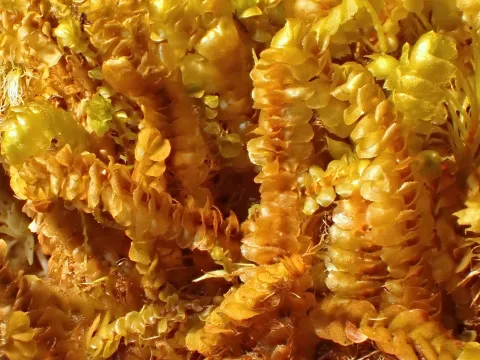
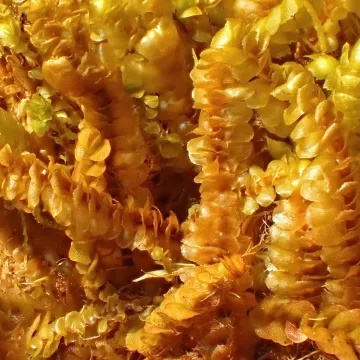
Botanically, it is recognized by its distinctively lobed leaves. The upper lobe is typically smaller than the lower one, creating a folded appearance characteristic of the genus. Its coloration can shift from a vibrant green in shaded areas to a brownish or purplish hue when exposed to higher light levels or nutrient stress.
Regarding growth requirements, it thrives in acidic soil, damp rock faces, or the bark of decaying logs. It is not cultivated as an agricultural crop but is significant in botanical studies as an indicator of habitat quality. Maintaining the specific pH and moisture balance is essential for its survival in experimental cultivation.
Common threats to this species include habitat degradation, deforestation, and air pollution, which is particularly detrimental due to the high sensitivity of mosses to atmospheric toxins. There are no traditional pests or diseases associated with it, as it relies on its physiological resilience rather than chemical defenses.
- High capacity for moisture retention.
- Sensitive bioindicator for environmental health.
- Growth cycle focused on vegetative spread.
- Adaptive morphology to changing light conditions.
Photo gallery