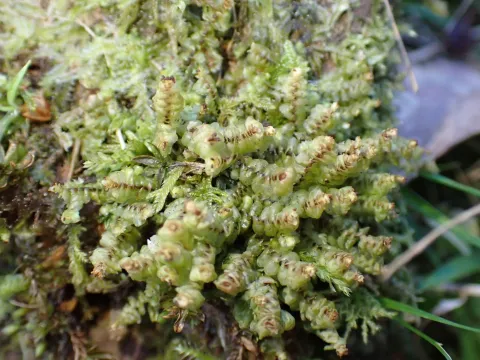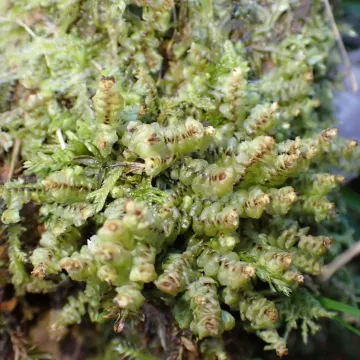
Scapania nemorea
Scapania nemorea
Description
Scapania nemorea is a notable species of liverwort belonging to the family Scapaniaceae. While it is not a conventional agricultural crop, it represents a specialized segment of bryophyte horticulture used in high-end landscaping, terrarium environments, and as a subject of environmental research due to its sensitivity to habitat degradation.
This species is widely distributed across the forests of the Northern Hemisphere. It primarily thrives in temperate climates where shade and moisture are abundant. Scapania nemorea is typically found growing on decayed organic matter, wet soil, or shaded rocky outcrops, serving as an important pioneer species in forest floor ecosystems.
Botanically, it is characterized by distinct bilobed leaves that allow it to maximize surface area for gas exchange and moisture absorption. Its growth form is prostrate to ascending, forming mats that stabilize soil surfaces. The plant relies on liquid water for sexual reproduction, emphasizing the importance of environmental moisture levels.
Cultivation requirements for this species are rigorous. It requires a substrate with a low pH, typically composed of peat, forest mulch, and charcoal. Maintenance involves keeping the substrate consistently damp but not waterlogged. The optimal lighting is indirect sunlight; harsh light will cause chlorosis and eventual desiccation of the delicate liverwort tissues.
Potential uses for Scapania nemorea include:
- Integration into vivariums and paludariums to provide natural aesthetic appeal.
- Usage in environmental science as an indicator species for air and water quality.
- Educational purposes in botanical gardens and research facilities.
Managing the health of the culture requires attention to ventilation. Stagnant air often leads to fungal outbreaks, specifically grey mold. Growers should prioritize humidity control over mechanical treatments, as Scapania nemorea is highly sensitive to the chemicals found in standard pesticides and herbicides used on traditional vascular crops.
Photo gallery