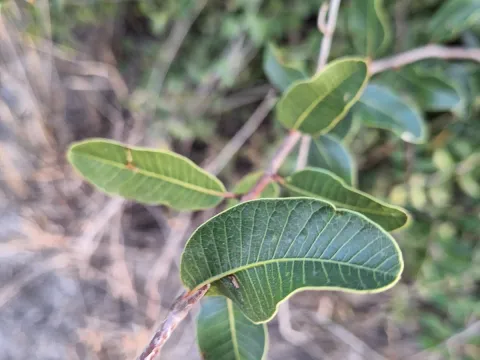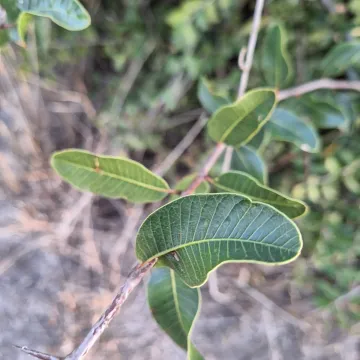
Quebracho colorado
Schinopsis balansae Engl.
Description
Quebracho colorado (Schinopsis balansae Engl.) is a large tree species belonging to the Anacardiaceae family. This majestic tree is one of the most commercially valuable timber species in South America, widely recognized for its exceptionally dense and durable wood.
The native habitat of this species is located in the subtropical regions of South America, specifically in the Gran Chaco ecoregion, spanning across Argentina, Paraguay, and parts of Bolivia. In its natural environment, the tree thrives in seasonally dry forests, often forming the dominant canopy layer of the local vegetation.
Botanically, the tree is a deciduous specimen that can reach heights of 20 to 25 meters. Its trunk is characterized by deeply fissured bark, and the leaves are arranged alternately. A defining biological feature of this species is its extremely slow growth rate, which renders it a long-lived resource that necessitates sustainable and careful forest management.
The culture has specific requirements regarding agronomy and site conditions. Quebracho prefers well-drained alluvial or loamy soils and exhibits high resistance to periods of drought. For the successful development of young seedlings, protection from competitive weeds and moderate irrigation during the first years of life are essential, as the plant does not tolerate waterlogging or stagnant soil moisture.
The primary economic significance of Quebracho lies in two areas: the production of high-density timber and the extraction of tannins. The wood is traditionally used in construction, railway sleepers, and structural supports, while the tree's extracts were long considered a vital raw material for the leather tanning industry due to their high concentration of tannins.
- Requires well-drained soil
- Slow growth rate
- High drought tolerance
- Sensitive to waterlogging
Pests and diseases affecting this species in the wild are moderately documented. The main threats include fungal infections that enter through cracks or wounds in the bark and wood-boring insects (xylophages) that can compromise the structural integrity of the trunk. In plantation settings, maintaining adequate spacing is critical to prevent the spread of diseases between individual trees.
Photo gallery