Smooth schisandra
Schisandra glabra
Description
Smooth schisandra, scientifically known as Schisandra glabra, is a woody deciduous vine belonging to the Schisandraceae family. Unlike its better-known Asian counterparts, this species is native to the southeastern United States, possessing unique characteristics that make it an interesting subject for botanical research and specialized cultivation.
The natural habitat of this culture comprises riparian forests and moist, shaded ravines in the Mississippi River basin. It thrives in environments where humidity levels are high and the soil remains consistently moist. Understanding its native ecological niche is crucial for successfully domesticating the plant in a farm or garden setting.
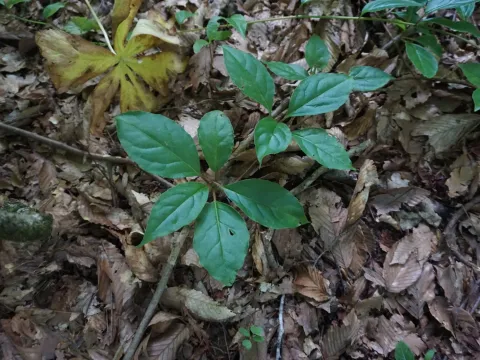
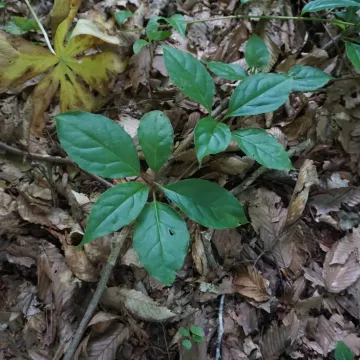
Botanically, the species is recognized by its smooth, hairless leaves and its climbing habit. The plant typically requires structural support, such as a trellis or fence, to achieve optimal growth and fruit production. The flowers are relatively inconspicuous compared to the decorative clusters of red berries that ripen toward the end of the season.
Regarding cultivation requirements, Schisandra glabra demands nutrient-rich, well-draining soil that is slightly acidic. A key aspect of its agrotechnology is providing partial shade, as the foliage is sensitive to scorching under intense, direct sunlight. Irrigation must be managed to keep the root system cool and hydrated without causing waterlogging.
The plant is primarily utilized for its bioactive properties, which are studied in pharmacology, and as an ornamental climbing vine for landscape architecture. Common threats include fungal diseases triggered by poor ventilation and potential infestations of sap-sucking insects. Proper spacing and regular pruning are essential maintenance practices to ensure long-term plant health.
Photo gallery