Purple false melic
Schizachne purpurascens
Description
Purple false melic (Schizachne purpurascens) is a perennial grass species belonging to the Poaceae family. In agronomic contexts, it is recognized as a resilient native grass that contributes significantly to the forage value of woodland and meadow ecosystems.
The origin of this species is primarily linked to the temperate and boreal regions of North America and parts of Eurasia. It is naturally adapted to forest edges and open meadows, thriving in environments that require cold tolerance and adaptability to varying soil moisture levels.
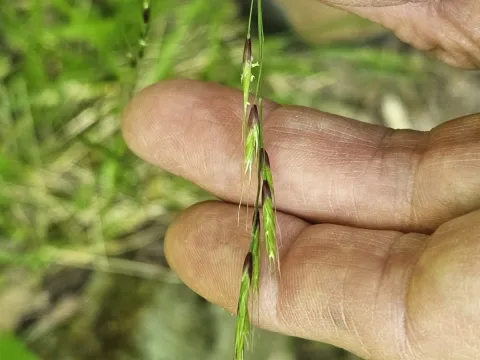
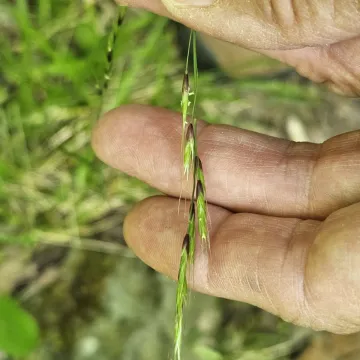
Botanically, it is a tufted grass that typically grows between 50 and 100 centimeters in height. Its diagnostic features include narrow, linear leaves and a drooping, open panicle of spikelets that often display a distinctive purplish coloration, contributing to its common English name.
From an agricultural standpoint, the plant has moderate soil requirements. It prefers well-drained, fertile substrates but can tolerate nutrient-poor soils better than many commercial forage grasses. Proper management requires avoiding long-term waterlogging, which the root system cannot withstand.
- High palatability for livestock during early growth stages.
- Strong winter hardiness in northern climates.
- Ability to thrive in light shade conditions.
- Resilience against common competitive weed pressures.
Its primary agricultural use is as a forage component in grazing systems and as a pioneer species in revegetation projects. Pests such as aphids or common rust diseases may occur under stress, but the plant generally displays good field stability when managed as part of a diversified stand.
Photo gallery