Schizachyrium brevifolium
Schizachyrium brevifolium
Description
Schizachyrium brevifolium is a perennial grass species belonging to the Poaceae family. Known for its resilience in tropical and subtropical climates, this grass serves as an essential part of the natural herbaceous vegetation in various parts of Asia, Africa, and the Americas.
The plant originates from diverse tropical environments, typically found in open savannas, disturbed areas, and hillsides. Its ability to colonize different soil types, ranging from sandy loams to slightly depleted substrates, makes it a noteworthy species for environmental management and restoration projects.
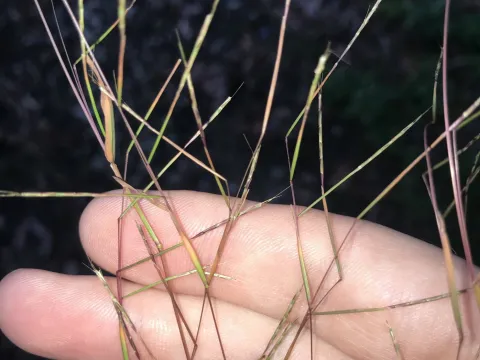
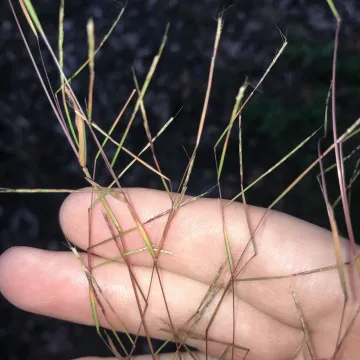
Botanically, Schizachyrium brevifolium is defined by its slender, short-leaved structure and specialized inflorescences. The plant maintains a clumping growth habit, which helps in preventing soil erosion in areas with uneven terrain. Its physiological traits allow it to tolerate periods of moderate water stress effectively.
Agricultural requirements include a preference for well-draining soils and adequate sunlight exposure. It is not well-suited for waterlogged conditions, which can lead to root system degradation. In managed agricultural settings, practitioners ensure that soil pH remains balanced to optimize the growth rate and nutritional quality of the forage.
- Primary Use: Livestock grazing and soil stabilization.
- Climatic Zone: Tropical to subtropical.
- Growth Habit: Perennial bunchgrass.
- Soil Preference: Well-drained, sandy to loamy substrates.
Regarding pests and diseases, the plant is susceptible to common grass pathogens such as rust fungi if air circulation is poor. Effective management involves careful monitoring of grazing intensity to avoid overgrazing, which can weaken the stand and expose the soil to potential weed infestation.
Photo gallery