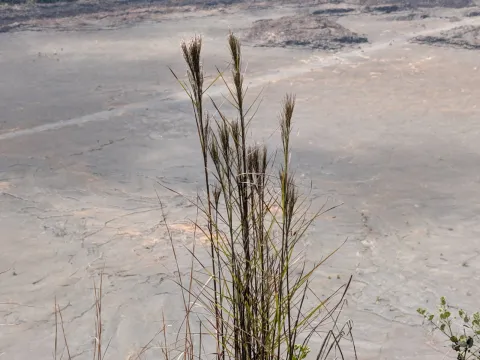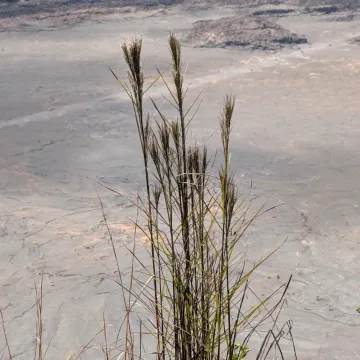
Schizachyrium paniculatum
Schizachyrium paniculatum
Description
Schizachyrium paniculatum is a perennial grass species belonging to the family Poaceae. As a robust forage and soil-stabilizing plant, it possesses specific anatomical characteristics that allow it to thrive in diverse environmental conditions, making it a subject of interest in agricultural studies and regional grassland management.
The plant originates primarily from regions in Asia, where it has adapted to various ecological niches ranging from open meadows to rocky outcrops. Its natural distribution is largely dictated by its preference for warm climate zones, allowing it to remain a permanent component of local vegetation where it has successfully established its habitat.
Botanically, the plant is characterized by its upright stems and narrow, elongated leaves forming dense clumps. The inflorescence is a distinct panicle, which gives the species its specific epithet. The root system is relatively fibrous and deep-reaching, providing the plant with the necessary resilience to withstand period of moderate drought and environmental stress.
Regarding agrotechnical requirements, the crop performs best in well-drained, sandy or loamy soils. It is highly sensitive to waterlogging, meaning field selection should prioritize elevated sites or areas with excellent drainage capacity. As a sun-loving species, it requires full sun exposure to reach its maximum productivity and maintain vigorous growth throughout the season.
The primary agricultural applications of Schizachyrium paniculatum include:
- Forage production for livestock and pasture management.
- Soil erosion control and land reclamation efforts.
- Use in sustainable landscaping and ecosystem restoration.
- Potential research in biomass yield optimization.
Common issues affecting the health of the crop include fungal pathogens like rust and powdery mildew, which are often exacerbated by high humidity. Insect pests such as stem-boring flies and mites can also impact yield. Effective farm management, including proper crop rotation and timely scouting for disease symptoms, is essential to ensure the longevity and health of the grass stands.
Photo gallery