Schizocodon soldanelloides
Schizocodon soldanelloides
Description
Schizocodon soldanelloides is a perennial flowering plant that belongs to the Diapensiaceae family. While not a commercial crop in the traditional agricultural sense, it holds significant status in ornamental horticulture and specialized gardening, being a highly sought-after species for alpine plant enthusiasts and collectors.
The plant is native to the mountain regions of Japan, where it typically thrives in cool, moist, and high-altitude habitats. Its natural distribution range is confined to environments that provide ample humidity and well-draining, humus-rich soils, often under the canopy of subalpine forests or on protected rocky slopes.
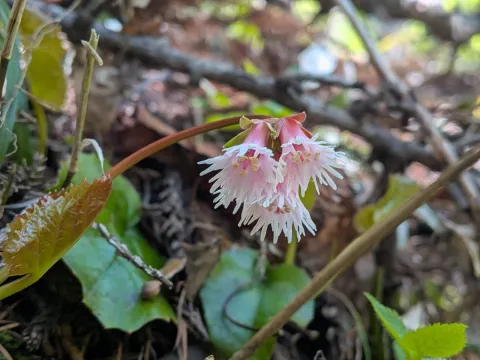
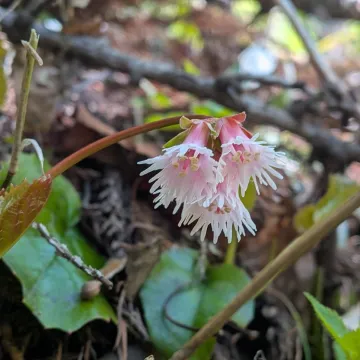
Botanically, it is characterized by its evergreen nature, forming low-growing rosettes of leathery leaves. The most striking features of this plant are its pendulous, fringed, bell-shaped flowers that bloom in shades ranging from pure white to intense rose-pink, appearing during the spring months and adding aesthetic value to any landscape.
Cultivation requires strict adherence to specific agrotechnical standards. The soil must be acidic, well-draining, and rich in organic matter. Proper placement is critical: the plant requires a cool position, ideally in semi-shade, to avoid heat stress. It is crucial to maintain consistent moisture without inducing waterlogging, which is a common cause of failure in domestic gardens.
The primary use of this crop is in ornamental landscaping, specifically within rock gardens, screes, or alpine troughs. Potential pests include slugs and snails that target young growth, while improper air circulation or stagnant moisture levels can invite fungal pathogens. Regular monitoring of the substrate drainage and plant health is essential for successful cultivation.
Photo gallery