Schoenoplectus corymbosus
Schoenoplectus corymbosus
Description
Schoenoplectus corymbosus is a perennial herbaceous plant belonging to the Cyperaceae (sedge) family. Distinguished by its specific corymb-like inflorescences, this species is a prominent hydrophyte, well-adapted to aquatic and semi-aquatic habitats. It serves as a vital component in wetland environments, contributing to biodiversity and water management.
The native range of this plant is primarily concentrated in the tropical and subtropical regions of Africa. It typically thrives in marshes, along riverbanks, and in delta areas where the soil remains permanently waterlogged. The species is highly sensitive to climate, requiring consistent warmth throughout its growing season to achieve maximum biomass yield.
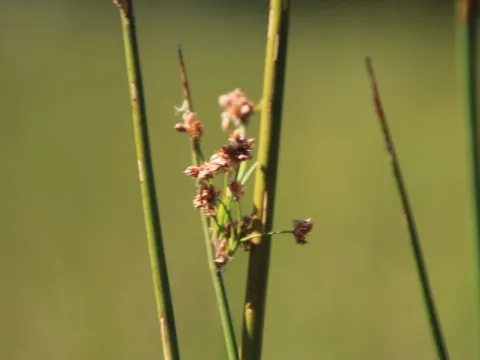
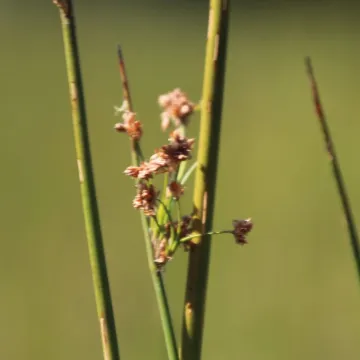
Botanically, the plant features erect, cylindrical, and smooth stems that perform most of the photosynthetic activity, as traditional leaves are often vestigial. The root system is a robust, spreading rhizome, which allows the plant to form dense clusters. The inflorescence consists of small spikelets arranged in distinctive corymbose clusters, setting it apart from other similar members of the genus.
Agronomic requirements for Schoenoplectus corymbosus focus on moisture management and soil quality. It prefers rich, loamy, or silty sediments with good nutrient availability. While it tolerates water level fluctuations, the substrate should ideally never dry out completely. Proper spacing is essential in plantation setups to prevent competition and to ensure adequate sunlight penetration to the lower parts of the stems.
Economic and utility applications include:
- Sustainable production of raw materials for weaving, basketry, and traditional crafts.
- Phytoremediation and water purification in constructed wetlands and wastewater treatment facilities.
- Shoreline erosion control and stabilization of artificial pond banks.
- Harvesting biomass for mulch or as a potential source for bio-based insulation materials.
Regarding health management, the plant is susceptible to fungal infections during periods of excessive humidity and poor ventilation. Pests, including stem-boring insects, can impact the structural integrity of the crop. Sustainable agricultural management involves monitoring water quality, ensuring the planting density is optimal to reduce disease pressure, and performing periodic cleaning of the water-based plots.
Photo gallery