Softstem bulrush
Schoenoplectus tabernaemontani
Description
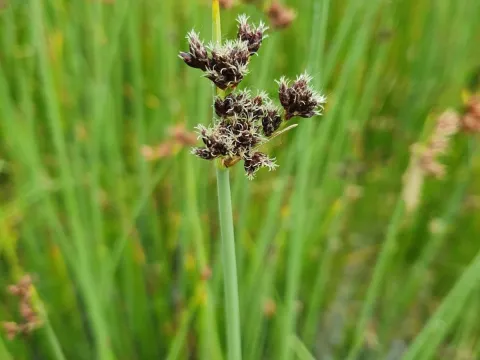
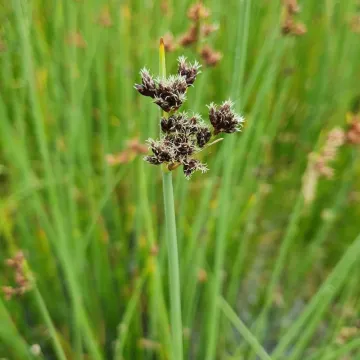
Softstem bulrush (Schoenoplectus tabernaemontani) is a perennial herbaceous plant belonging to the Cyperaceae family. In agricultural practice, it is recognized not only as a hardy wetland species but also as a highly productive biomass source and a primary agent in biological water purification systems. It is distinct for its smooth, glaucous stems and significant ecological utility.
The native range of this species encompasses wide areas across the Northern Hemisphere, including temperate and subtropical zones. It naturally thrives in marshes, ponds, and floodplains. Its ability to tolerate various environmental conditions makes it a candidate for cultivating on reclaimed wetland sites or underutilized waterlogged soils where traditional crops would fail.
From a botanical standpoint, this bulrush is characterized by its creeping rhizomes and cylindrical stems that can grow up to 2.5 meters in height. The plant's deep and vigorous root system plays a crucial role in soil stabilization and nutrient uptake. It reproduces effectively both through seed dispersal and vegetative propagation via underground rhizomes, ensuring long-term stand stability.
The cultivation of Schoenoplectus tabernaemontani requires specific hydrological management. It thrives in silt-rich, organic-heavy substrates with neutral to slightly alkaline pH levels. Agronomic efforts should focus on managing water levels to ensure continuous moisture availability while preventing prolonged stagnation, which can negatively affect biomass quality. Planting densities must be optimized to maximize yield.
Key areas for commercial and agricultural application include:
- Biomass production for fiberboard, insulation, and paper manufacturing.
- Phytoremediation of agricultural runoff, particularly for nitrogen and phosphorus reduction.
- Habitat restoration for native wildlife in constructed wetlands.
- Erosion control in riparian zones and around drainage infrastructure.
Typical plant health issues involve fungal pathogens that affect the stems under conditions of stagnant water and poor air circulation. Additionally, certain stem-boring insects may pose a threat if populations go unchecked. Effective management relies on proper site selection with adequate water flow, regular density thinning to promote aeration, and consistent monitoring of plant vigor during the peak growing season.
Photo gallery