Schoenoxiphium lehmannii
Schoenoxiphium lehmannii
Description
Schoenoxiphium lehmannii is a perennial herbaceous plant belonging to the Cyperaceae (sedge) family. This species is recognized for its structural resilience and its ability to thrive in specialized ecological niches, characteristic of its native habitat in the southern regions of Africa.
Originating from the mountain grasslands of South Africa, the species is well-adapted to cooler climates and high-altitude conditions. Its geographic distribution is confined to areas where specific environmental factors, such as consistent moisture levels and temperature fluctuations, create ideal growing conditions for hardy sedge varieties.
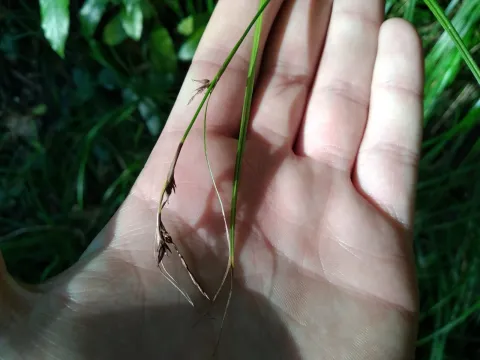
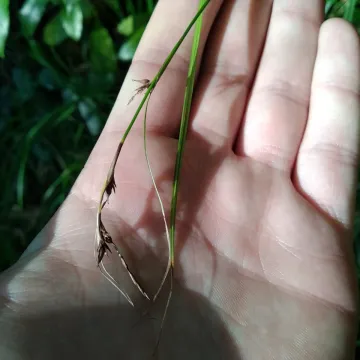
Botanically, this plant is defined by its dense tuft growth habit and narrow, coriaceous leaves which are adapted to minimize water loss. The root system is robust and fibrous, allowing the plant to stabilize itself in rocky or thin soils. During the reproductive phase, it produces characteristic spikelet inflorescences that are wind-pollinated, reflecting the typical reproductive strategy of the Cyperaceae family.
Agronomic requirements for Schoenoxiphium lehmannii focus on well-drained substrate conditions and moderate soil pH. Successful cultivation requires a deep, nutrient-rich soil profile to support root penetration. Key management practices include regular monitoring of moisture levels, as the plant is sensitive to both severe waterlogging and prolonged, extreme drought conditions that might inhibit its growth cycles.
In terms of хозяйственное (economic) utilization, this species is considered a potential candidate for pasture improvement programs and ecological restoration projects. Its resilience to grazing pressure makes it valuable for sustainable agricultural systems. Common concerns for growers include potential fungal pathogens affecting the crown and leaves under high humidity, as well as occasional infestations by larvae that feed on the rhizomes, necessitating integrated pest management strategies.
Photo gallery