Woolgrass
Scirpus eriophorum
Description
Woolgrass (Scirpus eriophorum) is a perennial wetland plant belonging to the Cyperaceae family. In agronomic and ecological circles, it is categorized as a vital plant for habitat restoration and water treatment projects, valued for its robust growth and ability to thrive in saturated soil conditions.
Native to North America, this species is typically found in marshes, bogs, and along the banks of freshwater bodies. It has become a key plant in sustainable agricultural practices aimed at rehabilitating riparian zones and managing runoff in agricultural watersheds, where its deep root system plays a crucial role in soil stabilization.
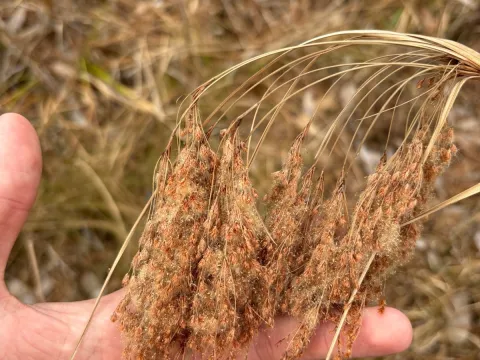
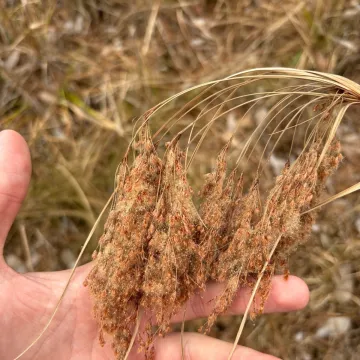
Botanically, the plant forms dense clumps consisting of tall, stiff, triangular stems. Its most distinctive feature is the terminal inflorescence, which, upon maturation, develops woolly, cotton-like bristles that aid in seed dispersal. The leaves are typically basal, long, and narrow, providing significant biomass for natural habitats.
Agricultural and landscape management requirements for this species are specific. It requires permanently moist to wet soil and is highly intolerant of drought. It thrives in various pH levels but prefers organic-rich, silty or clay-heavy soils. Proper maintenance involves monitoring water levels and managing competition from aggressive invasive weed species during the establishment phase.
The economic and ecological utility of Woolgrass is well-documented:
- Functioning as a biological filter in constructed wetlands for water treatment.
- Utilized in bioengineering for shoreline erosion control.
- Providing essential food and cover for diverse waterfowl and aquatic species.
Photo gallery