Saltmarsh bulrush
Scirpus etuberculatus
Description
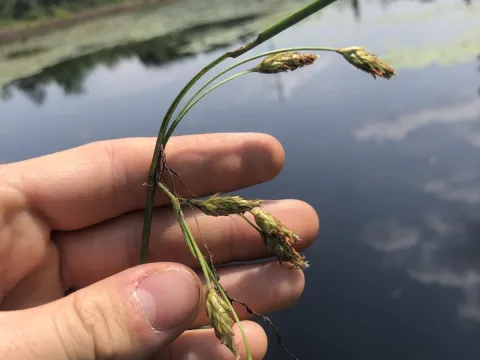
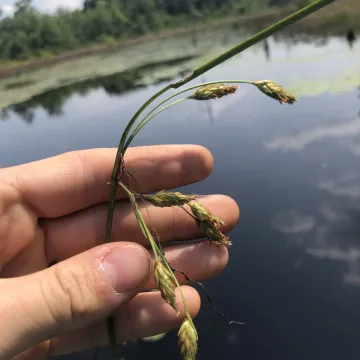
Saltmarsh bulrush (Scirpus etuberculatus) is a robust perennial herb belonging to the Cyperaceae family. It is a specialized aquatic plant known for its adaptation to specific wetland environments. Unlike some common bulrush varieties, this species is defined by its unique fruit structure, which lacks the characteristic tubercles found in related species, making it a distinct taxonomic subject.
The native range of Scirpus etuberculatus is predominantly concentrated in North America, particularly along the Atlantic coastal regions. It thrives in marshes, shallow pond margins, and wet meadows where moisture is consistently available. The species is highly adapted to fluctuating water levels, which often characterize its natural riparian or wetland habitat.
Botanically, the plant features erect, often triangular or rounded stems and narrow, grass-like leaves. Its root system consists of strong rhizomes that extend horizontally through the substrate, providing excellent anchorage in muddy or peaty soils. This architecture not only supports the plant's vertical growth but also aids in soil stabilization against current and wave action.
In terms of environmental requirements, this bulrush prefers high-light conditions and nutrient-rich, saturated substrates. It demonstrates significant tolerance for varying acidity levels in water but performs best in environments where the hydroperiod is stable throughout the growing season. Proper management of water depth is critical when considering the cultivation or protection of this species in restoration projects.
The primary utility of Scirpus etuberculatus lies in its ecological services. It is an effective species for phytoremediation, as it assists in the removal of excess nutrients and heavy metals from aquatic ecosystems. Additionally, it provides essential habitat, nesting materials, and cover for various aquatic invertebrates, amphibians, and waterfowl, making it a keystone species in wetland biodiversity management.
- Rhizomatous growth for erosion control.
- High efficacy in nitrogen and phosphorus sequestration.
- Habitat provider for native wildlife.
- Resilient to typical wetland stressors.
Photo gallery