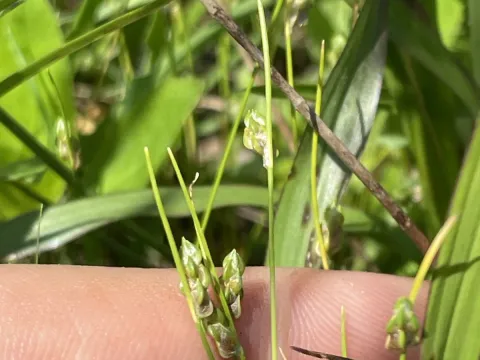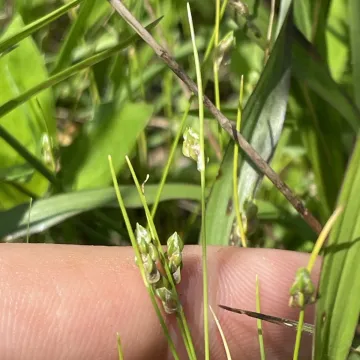
Scirpus koilolepis
Scirpus koilolepis
Description
Scirpus koilolepis is an annual herbaceous plant belonging to the sedge family, Cyperaceae. While often categorized within the Schoenoplectus genus in modern taxonomy, it remains widely recognized under its traditional classification as a specific type of bulrush. This species is highly adapted to aquatic or semi-aquatic environments, where it plays a functional role in the local hydrology.
The native range of this species is primarily centered in North America, particularly in regions characterized by seasonal flooding. It is commonly found in riparian zones, wet depressions, and along the margins of ephemeral ponds. Its ability to tolerate changing water levels makes it a resilient inhabitant of diverse wetland habitats.
Botanically, the plant is characterized by slender, erect stems and small, distinctive spikelets arranged in capitate clusters. The specific epithet koilolepis refers to its keeled scales, a diagnostic feature used to distinguish it from related species. The root system is fibrous and specifically evolved to anchor the plant in water-saturated, fine-textured soils like silt or clay.
Regarding cultivation requirements, Scirpus koilolepis demands high soil moisture and significant solar exposure. It thrives in soils that remain saturated during the vegetative growth phase. Agronomic management involves site selection where water drainage is slow or restricted, ensuring the plant has the necessary hydric conditions to complete its life cycle from seed germination to maturation.
The primary utility of this plant lies in environmental restoration and the management of water-saturated landscapes. It serves as a natural stabilizer for soils in flood-prone areas. Potential threats include rust fungi, which can affect foliage in stagnant air conditions, and generalist herbivorous insects that may feed on the stems. Proper monitoring of planting density is essential to prevent disease outbreaks in dense stands.
Photo gallery