Maximowicz's bulrush
Scirpus maximowiczii
Description
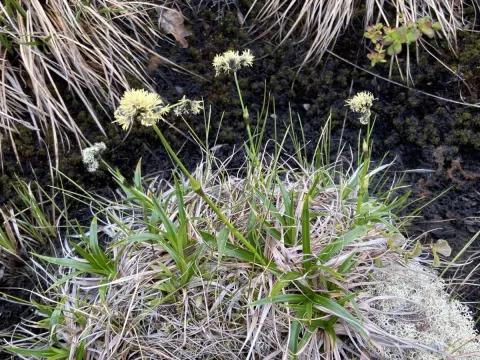
Maximowicz's bulrush (Latin: Scirpus maximowiczii) is a perennial herbaceous plant belonging to the Cyperaceae family. As a specialized hydrophyte, it thrives in water-saturated environments, riverbanks, and marshes. Its biological structure is highly specialized for life in submerged or semi-aquatic conditions, making it a unique candidate for specific agricultural and ecological purposes.
The plant originates from the regions of East Asia, including the Russian Far East, Japan, and the Korean Peninsula. Its distribution area is characterized by temperate and monsoon climates. It has evolved to survive in waterlogged soils where oxygen availability is limited, developing a robust rhizome system that supports its vertical growth in soft, muddy substrates.
Botanically, it features long, narrow leaves and dense inflorescences clustered in spikelets. The plant’s biomass production is significant, making it a valuable resource for various industries. Its root system is particularly adept at nutrient uptake from stagnant water, which contributes to the plant's rapid growth rate during the active growing season.
Regarding cultivation requirements, the plant demands consistent soil moisture and fertile, organic-rich silt. It is sensitive to drastic changes in water levels, necessitating careful hydrological management in an agricultural setting. Optimal temperatures and light exposure facilitate healthy development, while the plant's ability to tolerate diverse pH levels makes it versatile for different wetland sites.
- Excellent phytoremediation potential for wastewater treatment.
- Sustainable source of fiber for paper and handicraft production.
- Natural soil stabilizer preventing coastal and bank erosion.
- High resilience against common environmental stressors in wetlands.
Common diseases and pests generally involve fungal infections occurring in stagnant or poorly circulated water, as well as specific insects that feed on succulent stalks. Maintenance protocols should focus on managing water quality and preventing the accumulation of decaying debris, which serves as a breeding ground for pathogens. Regular monitoring is essential to ensure the vitality of the crop.
Photo gallery