Scirpus triangulatus
Scirpus triangulatus
Description
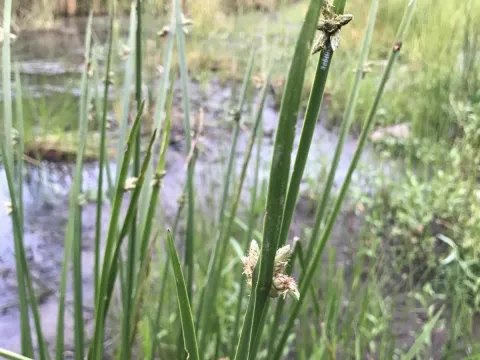
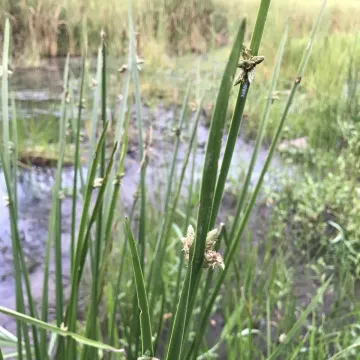
Scirpus triangulatus, commonly known as a type of bulrush, is a perennial herbaceous plant belonging to the Cyperaceae family. It is an aquatic or semi-aquatic plant species that has adapted to thrive in waterlogged conditions, frequently found in shallow waters and wetland habitats.
The plant is native to various regions in Asia, including Japan, China, and Korea, as well as parts of Australia. Its natural distribution is closely tied to humid environments such as rice paddies, marshes, and riverbanks. It has evolved to act as a natural biofilter, assisting in the management of nutrient-rich aquatic ecosystems.
Botanically, Scirpus triangulatus is recognized by its distinct triangular stem, which provides structural rigidity. The plant typically reaches heights of up to one meter. The leaves are largely reduced or sheath-like at the base, while the inflorescences appear as clusters of spikelets located laterally on the stem, a feature that distinguishes it from related species in the Scirpus genus.
Cultivation of this plant requires specific environmental conditions. Key requirements include:
- Consistent water levels ranging from 5 to 50 cm.
- Nutrient-rich, silt-heavy soil substrates.
- High levels of natural sunlight for optimal biomass production.
The primary economic use of Scirpus triangulatus is in the handicraft and industrial sector. Its stems are harvested, dried, and used to weave traditional mats, tatami, baskets, and various interior decoration items. The fiber is prized for its high tensile strength, elasticity, and natural resistance to environmental stressors, making it a sustainable choice for woven products.
Agronomic challenges for this crop mainly revolve around managing water-borne pathogens and pests that may target the succulent stem tissues. Maintaining a healthy balance in the water ecosystem and ensuring proper density during planting help to maximize yield and ensure the longevity of the plant fibers, which is essential for commercial processing.
Photo gallery