Scleria caricina
Scleria caricina
Description
Scleria caricina is a perennial herb belonging to the Cyperaceae family, commonly known as sedges. This plant is characterized by its specific adaptation to humid tropical and subtropical environments. Within the agricultural sector, it is recognized for its role in wetland ecosystems and its capacity to thrive in environments where traditional agricultural crops might struggle due to excessive soil moisture.
The plant originates from the tropical regions of Asia and parts of the Pacific, where it occupies niches such as marshy lowlands, riverbanks, and seasonally flooded grasslands. Its natural range is defined by regions with high precipitation and consistent temperatures, making it a key element of the local vegetation cover in its native habitat.
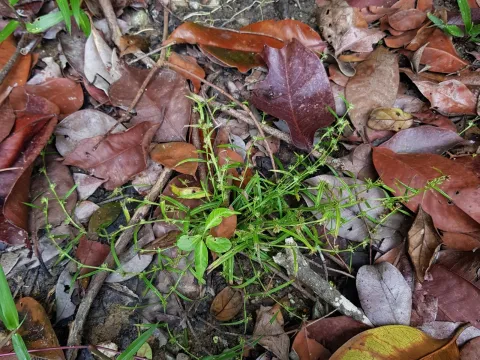
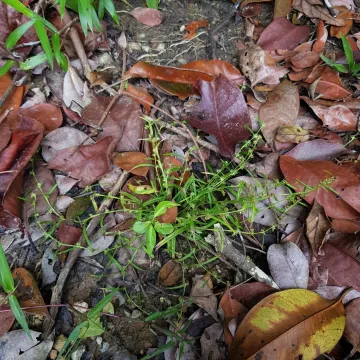
Botanically, Scleria caricina is distinguished by its erect, leafy stems and narrow, grass-like leaves that form dense clumps. A defining feature is the hard, nut-like fruit from which the genus name is derived. The root system is robust, allowing the plant to anchor effectively in loose, water-saturated soils, which is essential for survival in its preferred marshy conditions.
In terms of agricultural requirements, this species demands high soil moisture and cannot tolerate extended drought. It thrives best in slightly acidic to neutral soils with high organic content. Agronomic management involves site selection near water sources and ensuring that the soil remains consistently damp, as artificial irrigation can be costly and less effective than natural site conditions.
The primary agricultural use of Scleria caricina lies in sustainable pasture management and soil conservation. While not as productive as high-yield grasses, its ability to persist in waterlogged environments makes it a reliable forage source for livestock in tropical regions. Furthermore, its dense root structure contributes to preventing soil erosion along embankments and wetlands, providing an environmental service alongside its feed value.
- Excellent tolerance to saturated soil conditions.
- Ability to grow in diverse nutrient-poor tropical soils.
- High biomass production in suitable wet habitats.
- Resistance to various environmental stressors common in tropical wetlands.
Regarding health and protection, Scleria caricina is generally resilient to pests and diseases that typically affect monoculture crops. The main risks involve fungal infections when vegetation becomes too dense, leading to poor air circulation. Integrated pest management, primarily focused on maintaining natural ecosystem balance and avoiding over-exploitation of the stands, remains the most effective strategy.
Photo gallery