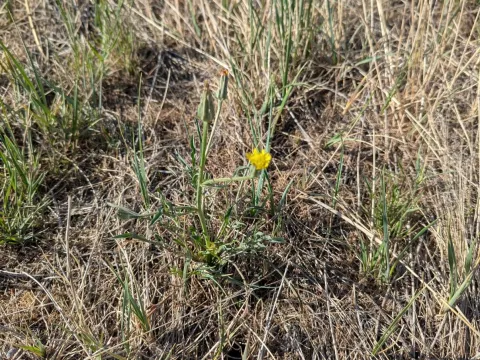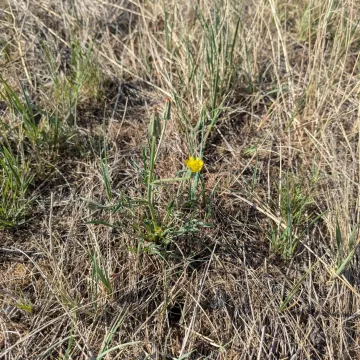

Cut-leaf vipergrass
Scorzonera laciniata
Description
Cut-leaf vipergrass (Scorzonera laciniata) is a herbaceous plant belonging to the Asteraceae family. As a niche agricultural crop, it is gaining interest among producers looking for hardy and nutritious root vegetables. It is closely related to the common black salsify (Scorzonera hispanica) and shares similar biological and culinary characteristics, often prized for its mild, earthy flavor.
The native distribution of this species spans across the Mediterranean, Caucasus, and Central Asian regions. It is well-adapted to varied environments, particularly those with well-drained, stony, or sandy soils. In agriculture, it thrives in temperate climates where it can benefit from full sun exposure, which is essential for proper root development and nutrient accumulation.
Botanically, the plant features a deep taproot filled with latex, which is typical for the Scorzonera genus. The foliage is distinctly laciniate or deeply divided, distinguishing it from other species. The plant produces yellow flower heads that bloom under favorable conditions. It is essentially a perennial but is often grown as an annual or biennial to ensure the best quality of the edible roots.
Optimal cultivation requires deep, loose, and fertile soil to prevent root malformation. Growers should sow seeds in rows with proper spacing to allow for root expansion. Maintenance is relatively simple, requiring regular weed control and light irrigation during dry spells. Avoiding waterlogged conditions is critical, as excess moisture significantly increases the risk of root rot and reduces overall yield quality.
In terms of usage, the roots are primarily processed for consumption, serving as an excellent source of inulin, which is beneficial for metabolic health. The plant is susceptible to common pests such as aphids and slugs, as well as fungal diseases like powdery mildew in humid environments. Integrated pest management and maintaining proper soil drainage are standard practices for securing a healthy crop.
- High inulin content, supporting digestive and metabolic health.
- Excellent storage potential under cool and dry conditions.
- Resilience to varying soil textures and cooler temperatures.
- Culinary versatility in soups, roasting, and dietary preparations.
Photo gallery