Scrophularia heterophylla
Scrophularia heterophylla
Description
Scrophularia heterophylla is a perennial herbaceous plant belonging to the Scrophulariaceae family. Known for its distinct morphological traits, this species is recognized for its adaptability and serves as a significant subject for botanical studies and traditional medicinal practices.
The plant originates from the mountainous regions of the Caucasus and Asia Minor. Its natural habitat includes rocky slopes and forest fringes, where it has developed the resilience to survive in fluctuating temperature zones and challenging soil environments, common in high-altitude terrains.
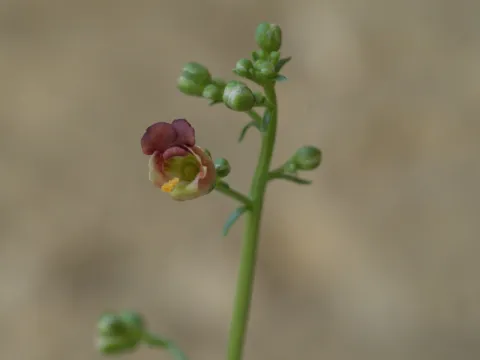
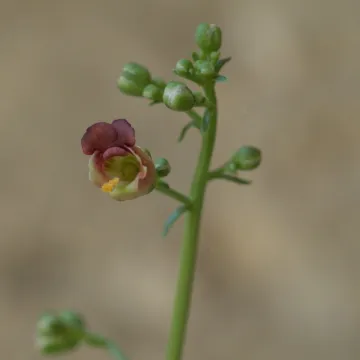
Botanically, this species is defined by its complex leaf structures and upright, four-angled stems that can grow up to one meter in height. Its inflorescences consist of small, brownish-purple flowers arranged in loose panicles, which are attractive to various pollinators in their native ecosystems.
Cultivation requirements for Scrophularia heterophylla include well-draining soil and a sunny location to maximize its metabolic performance. It is essential to avoid waterlogged sites, as the root system is sensitive to prolonged moisture, which can trigger fungal infections during the growing season.
Economically, this plant is valued for its potential pharmaceutical applications. Extracts from its tissues have been studied for anti-inflammatory and antiseptic properties. Additionally, it serves as a niche crop in botanical gardens and serves as an effective ground cover in restoration projects for rocky landscapes.
- Excellent cold tolerance during winter months.
- Thrives in alkaline to neutral soil types.
- Minimal pest pressure compared to other medicinal herbs.
- Requires consistent spacing to ensure proper air circulation.
Photo gallery