Nettle-leaved figwort
Scrophularia peregrina
Description
Nettle-leaved figwort (Scrophularia peregrina) is an annual herbaceous plant belonging to the Scrophulariaceae family. It is a botanical species characterized by its specific habitat preferences and traditional utility in herbal medicine, serving as a point of interest for both researchers and niche crop cultivators.
This species is native to the Mediterranean basin, spanning across Southern Europe and parts of North Africa and Western Asia. It typically thrives in moist environments, including riparian zones, shaded valleys, and forest edges, where it benefits from high soil moisture levels and protection from intense solar radiation.
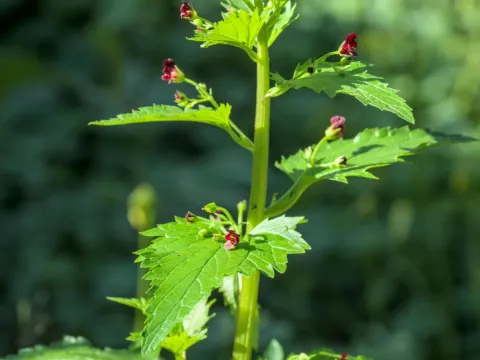
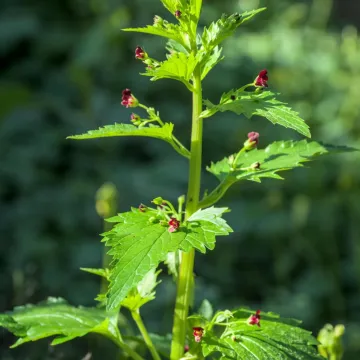
From a botanical standpoint, the plant features an upright, square-stemmed structure typically growing between 30 and 80 cm in height. The foliage consists of opposite, ovate leaves with serrated margins. The inflorescence is composed of small, purplish-brown flowers arranged in loose terminal panicles, which are highly attractive to local pollinators.
Agricultural success with this species depends on mimicking its natural climate. It requires well-drained, nutrient-rich, and consistently moist soil. In a cultivation setting, it is essential to manage light exposure to prevent heat stress, as the plant prefers partial shade or dappled light conditions to reach full maturity.
In terms of economic use, the plant is valued for its potential pharmaceutical compounds. Cultivation practices involve soil preparation with organic enrichment and the implementation of precise irrigation schedules to avoid root rot. Monitoring for pests like aphids and managing fungal pathogens such as powdery mildew are critical steps in maintaining crop health.
- High water requirements during the vegetative phase.
- Sensitivity to direct, high-intensity sunlight.
- Utility in specialized phytotherapeutic production.
Photo gallery