Pyrenean figwort
Scrophularia pyrenaica
Description
Pyrenean figwort (Scrophularia pyrenaica) is a hardy perennial herbaceous plant belonging to the Scrophulariaceae family. It is recognized for its diminutive stature and high adaptation to mountainous environments, making it a distinct specimen for specialized horticultural collections.
Native to the rugged terrains of the Pyrenees, the species thrives in high-altitude rocky soils and scree slopes. Its natural distribution range is restricted to European mountain ranges where it has evolved to survive in low-nutrient, high-drainage substrates, demonstrating exceptional resilience to fluctuating climatic conditions.
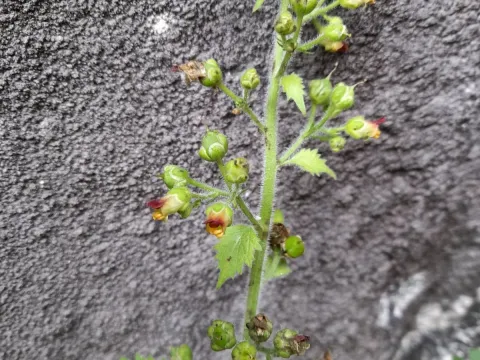
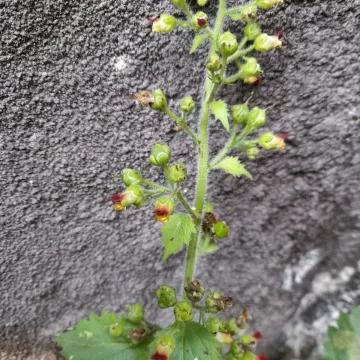
Botanically, this species is characterized by its low-growing habit, dense foliage, and unique flower structure typical of the figwort genus. Its root system is deep and efficient at extracting moisture from thin mountain soils. The plant produces blossoms that are highly attractive to pollinators, contributing to the biodiversity of its habitat.
Agronomic requirements are centered on mimicking its natural alpine environment. Pyrenean figwort requires a sunny location with exceptional drainage. Standard garden soil must be amended with grit, sand, or gravel to prevent water stagnation, which is the primary cause of failure in cultivation. It thrives in neutral to slightly alkaline pH conditions.
Regarding health management, the plant is relatively resistant to pests, though it may occasionally suffer from common garden pathogens if cultivated in improper conditions. Disease prevention is largely achieved through strict moisture control and ensuring good air circulation around the crown of the plant. Proper site selection remains the most effective strategy for ensuring long-term plant vitality.
Photo gallery