Balm-leaved figwort
Scrophularia scorodonia
Description
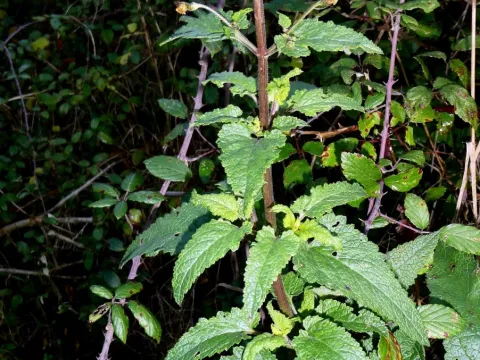
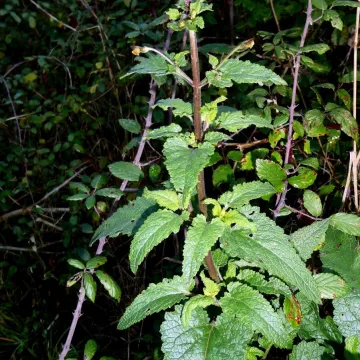
Balm-leaved figwort (Scrophularia scorodonia) is a perennial herbaceous plant belonging to the Scrophulariaceae family. Known for its distinct foliage which resembles the leaves of balm, this species features upright stems and complex inflorescences, making it a subject of interest in both botanical study and specific agricultural niche sectors.
The origin of this species is traced to Western Europe, particularly regions influenced by the Atlantic climate. It thrives in temperate conditions characterized by significant atmospheric humidity and mild, frost-free winters. Its natural habitat includes woodland margins and shaded hedgerows, which informs its environmental preferences in a cultivated setting.
Botanically, the plant is characterized by a robust growth habit and a high capacity for vegetative propagation. The flowers are typically arranged in panicles, exhibiting a dark brownish-red hue. It requires nutrient-rich, well-draining soils that maintain consistent moisture levels to sustain its vigorous development throughout the growing season.
Agronomic requirements emphasize the necessity of partial shade, as prolonged exposure to intense sunlight can cause leaf scorching and reduce vitality. Soil management should prioritize organic amendments to mimic forest soil conditions. Regular irrigation is essential, especially during the early growth stages, to ensure the plant establishes a healthy root system.
Agricultural and commercial uses of the Balm-leaved figwort include:
- Nectar production for specialized beekeeping operations in humid climates.
- Extraction of secondary metabolites for pharmacological research and applications.
- Utilization in ecological landscape projects designed to restore shaded habitats.
Typical plant health issues involve fungal infections such as leaf spots, which occur when air circulation is poor, and occasional infestations by aphids. Effective management requires thinning stands to promote airflow and implementing preventative soil treatments to avoid root pathogens during wet seasons.
Photo gallery