Scutellaria antirrhinoides
Scutellaria antirrhinoides
Description
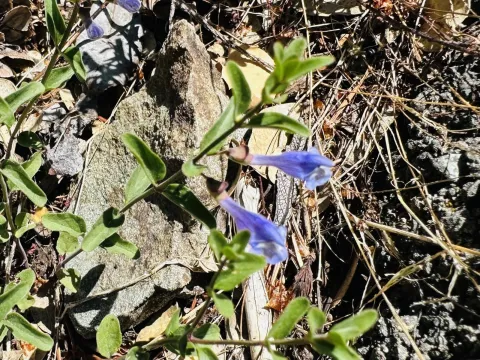
Scutellaria antirrhinoides, commonly known as the snapdragon skullcap, is a perennial herbaceous plant belonging to the Lamiaceae family. The species is characterized by its distinct flowers that resemble those of the snapdragon, serving as a notable member of its genus within the mint family.
The plant is native to the western regions of North America. It typically inhabits rocky slopes, dry meadows, and open, sunny environments. This natural habitat has adapted the plant to withstand significant moisture deficits and thrive in nutrient-poor substrates.
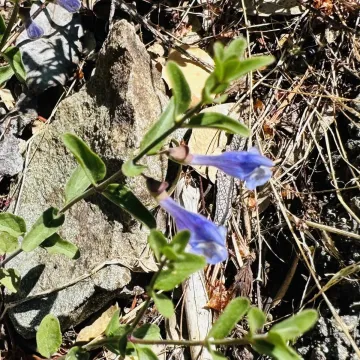
Botanically, it features upright or spreading stems with simple leaves and terminal, bilabiate flowers in shades of deep blue or violet. The root system is resilient, designed to anchor the plant in shallow, stony soils where many other species would struggle to survive.
Regarding agrotechnology and maintenance, successful cultivation depends primarily on soil drainage. It requires well-drained, porous soil and full sun exposure. It is highly intolerant of wet, heavy, or waterlogged conditions, which often lead to crown rot in temperate, rainy climates.
- High drought tolerance once established.
- Preference for neutral to slightly alkaline pH levels.
- Minimal fertilization requirements.
- Susceptibility to root pathogens if overwatered.
The primary horticultural application of Scutellaria antirrhinoides is in dry-climate gardening, rock gardens, and xeriscaping. Due to its unique appearance and resilience, it is increasingly favored by landscape designers focusing on sustainable, low-maintenance native plant installations.
Photo gallery