Scutellaria strigillosa
Scutellaria strigillosa
Description
Scutellaria strigillosa is a perennial herbaceous plant belonging to the Lamiaceae family, widely recognized for its high medicinal value. It is cultivated primarily for its root system, which contains significant concentrations of bioactive compounds, including flavonoids that are essential for various pharmaceutical preparations.
The plant originates from East Asian regions, including parts of Russia, Japan, and China. Its natural habitat includes damp meadows, riverbanks, and wetlands, which indicates its ecological preference for moist, nutrient-rich environments. Understanding these origins is crucial for successful domestication and commercial crop management.
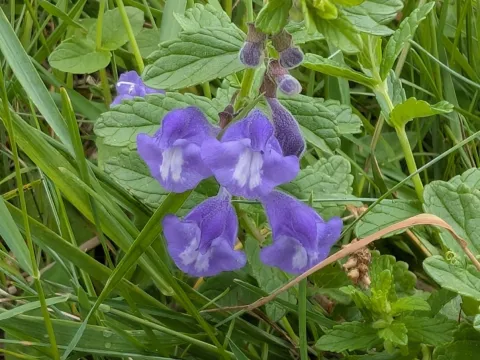
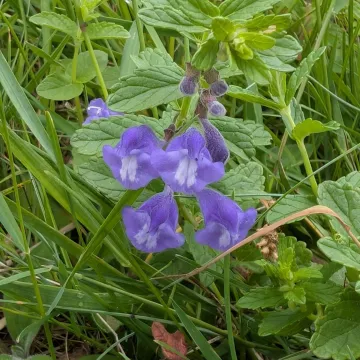
Botanically, the plant features creeping rhizomes, erect stems reaching up to 50 cm, and distinctively shaped leaves with fine trichomes. The flowers form beautiful terminal racemes in shades of blue and violet. These morphological characteristics contribute to its durability and resistance to fluctuating environmental conditions.
Regarding cultivation, Scutellaria strigillosa requires well-drained, fertile soil and adequate moisture levels throughout the growing season. While it is hardy, commercial success depends on proper site selection and soil preparation to prevent root rot. It propagates well both through vegetative division of rhizomes and by seeds sown in early spring.
In terms of agricultural management, weed control is essential during the plant's establishment phase. Common pests include aphids and beetles that may affect leaf health, while excessive soil moisture can lead to fungal pathogens. Farmers must implement integrated pest management to ensure high yields and maintain the quality of the raw herbal material used for industry.
Photo gallery