
Sechium tacaco
Sechium tacaco
Description
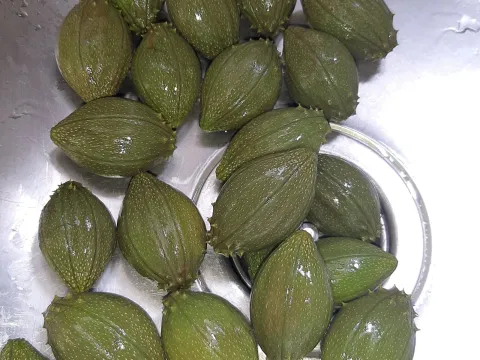
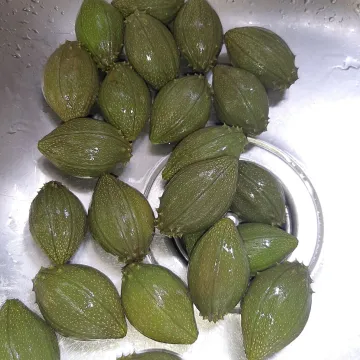
Sechium tacaco is a perennial climbing vine belonging to the Cucurbitaceae family. Often referred to simply as tacaco, this crop is a close relative of the chayote (Sechium edule). It is native to the mountainous regions of Central America, specifically Costa Rica, where it has been cultivated for local consumption for centuries.
Botanically, the plant is characterized by its vigorous growth, featuring tendrils for climbing and heart-shaped, slightly rough leaves. The fruit is a small, typically single-seeded berry. Unlike larger varieties of squash, the tacaco fruit is prized for its specific texture and mild flavor, making it a staple ingredient in regional stews, soups, and traditional side dishes.
Regarding climate and soil requirements, Sechium tacaco thrives in tropical highland environments. It prefers mild temperatures and requires well-drained, fertile soil rich in organic matter. While it is hardy in its native habitat, it is highly sensitive to frost, which limits its commercial cultivation to specific geographical zones that offer consistent, favorable weather conditions.
Agricultural management revolves around providing robust structural support. Growing the plant on trellises is essential to improve airflow, reduce disease pressure, and facilitate efficient harvesting. Regular irrigation is necessary, particularly during the flowering and fruit-setting stages, though excessive moisture in the root zone must be avoided to prevent root rot.
The main challenges in cultivating this crop include susceptibility to common cucurbit pests, such as aphids and spider mites, as well as fungal infections like powdery mildew. Effective crop management includes routine field inspections, balanced nutrient application, and the use of resistant varieties where available. The fruit is typically harvested at a young, tender stage to ensure optimal culinary quality.
Photo gallery