Securidaca virgata
Securidaca virgata
Description
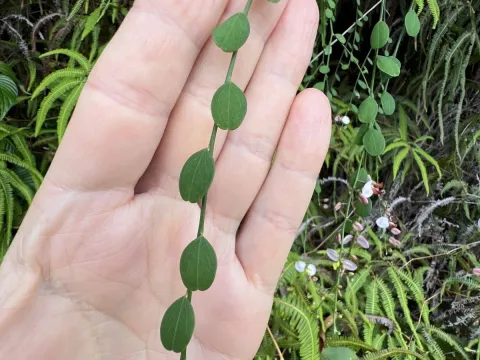
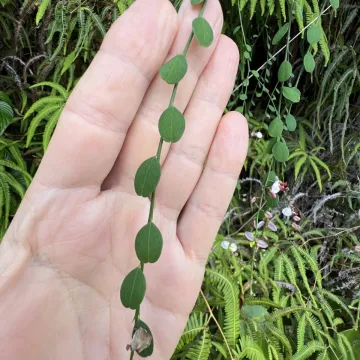
Securidaca virgata is a perennial tropical shrub belonging to the Polygalaceae family. Recognized for its distinctive slender, twig-like branch structure, this plant has garnered interest in botanical circles due to its unique growth habit and its chemical composition. In an agricultural context, it is studied as a specialized crop with potential applications in the pharmaceutical and biochemical sectors.
Originating from the tropical regions of the Americas, the plant thrives in humid environments. Its natural range is concentrated in tropical forests and savannas where the climate remains warm throughout the year. It is strictly a frost-sensitive species, which limits its commercial cultivation to specific tropical latitudes where stable thermal conditions can be maintained.
Botanically, the species is characterized by simple, leathery leaves and small, often racemose flowers. The root system is robust, allowing the plant to adapt to various soil types, provided they are well-drained. The architecture of the plant is adapted to compete for light in densely vegetated ecosystems, often resulting in a graceful, upright branching pattern.
The agronomy of Securidaca virgata requires careful attention to soil moisture and humidity levels. It performs best in nutrient-rich, acidic to neutral soils with excellent drainage to prevent root diseases. Agricultural maintenance involves consistent irrigation schedules and the application of organic fertilizers during the growth phase to ensure adequate development of both biomass and potential secondary metabolites.
- Requires consistent tropical temperatures (20-30°C).
- Needs well-drained, porous soil structures.
- Sensitive to waterlogging and root rot.
- Mainly propagated via seeds or specific cuttings.
The primary economic use of Securidaca virgata lies in its potential as a source of saponins and other bioactive compounds utilized in medicinal formulations. While not a conventional staple crop, it is a significant subject of study for its pharmacological properties. Future research into its cultivation focuses on improving yield stability and optimizing harvest methods for consistent supply of plant-based materials.
Photo gallery