Senecio cunninghamii
Senecio cunninghamii
Description
Senecio cunninghamii is a perennial shrub belonging to the diverse Asteraceae family. Native to New Zealand, this species plays a vital role in local ecosystems and is increasingly recognized for its resilience and utility in various environmental conditions.
The natural range of this species is primarily concentrated in the coastal and montane regions of New Zealand. Throughout its evolution, it has adapted to survive in harsh, windy environments with relatively low nutrient availability, allowing it to colonize challenging terrains such as coastal dunes and rocky slopes.
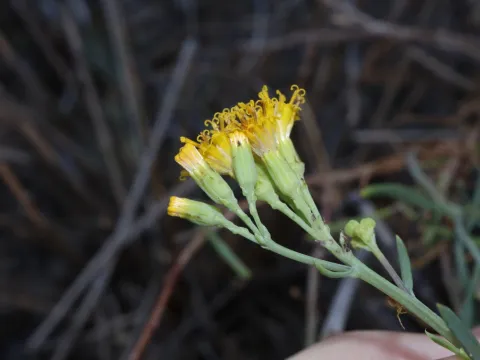
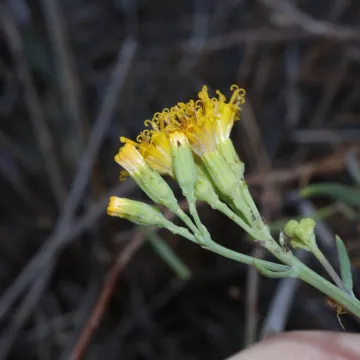
Botanically, Senecio cunninghamii is distinguished by its dense, branching habit and foliage that often features a fine, protective pubescence. These physical traits are essential adaptations that help the plant minimize water loss and protect itself against environmental stressors. It produces characteristic yellow daisy-like flower heads that are typical for the genus.
In terms of cultivation requirements, the plant demands well-draining soil to prevent root rot, which is a common issue for this species in managed landscapes. It thrives in full sun exposure and generally prefers soils with neutral pH levels. Regular pruning is recommended to maintain the plant's shape and encourage healthy new growth during the primary growing season.
The primary horticultural and agricultural applications for Senecio cunninghamii include landscape architecture and erosion control projects. Its robust nature makes it an excellent choice for stabilizing unstable ground. While generally hardy, the plant can be susceptible to aphids and fungal infections if the planting site does not provide sufficient air circulation or proper drainage.
Photo gallery