Doria's ragwort
Senecio doria
Description
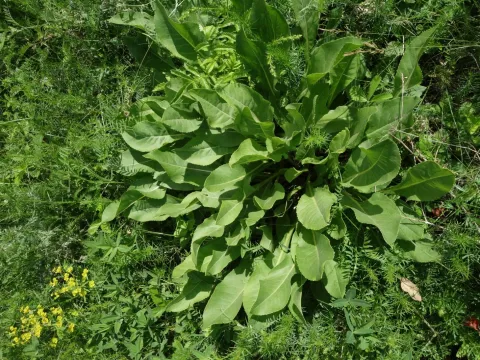
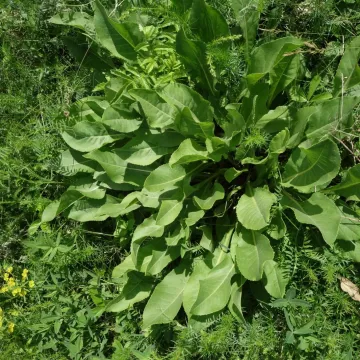
Doria's ragwort (Senecio doria) is a perennial herbaceous plant belonging to the Asteraceae family. This species is known for its structural robustness and its ability to thrive in specific environmental niches. While recognized as a wild plant, its cultivation is becoming a subject of interest for specialized agriculture and botanical research purposes.
The native range of this plant extends across Central and Southern Europe into parts of Western Asia. It typically inhabits damp meadows, riverbanks, and marshy terrain. When introducing this crop into an agricultural setting, it is essential to replicate these hydrological conditions to ensure optimal plant health and consistent biomass production.
Botanically, Senecio doria is characterized by its tall, sturdy, and upright stems, which can grow over a meter in height. The foliage is generally lanceolate and often displays a distinct glaucous sheen. During the flowering stage, the plant produces dense corymbs of bright yellow flower heads, making it visually distinct from other members of the genus.
The agricultural requirements focus on high water availability and nutrient-rich, neutral-pH soil. Cultivation cycles include diligent seedbed preparation to prevent weed competition, which is crucial in the early development stages. Proper spacing is mandatory to allow adequate airflow, reducing the risk of foliage diseases, which are common when moisture levels are high.
Management of pests and diseases is a critical aspect of Doria's ragwort farming. Common threats include rust fungi, which target the leaf surface, and various sucking insects like aphids. Integrated pest management, including regular monitoring and the use of targeted systemic treatments, is recommended to ensure yield quality and protect the chemical integrity of the harvested material.
Photo gallery