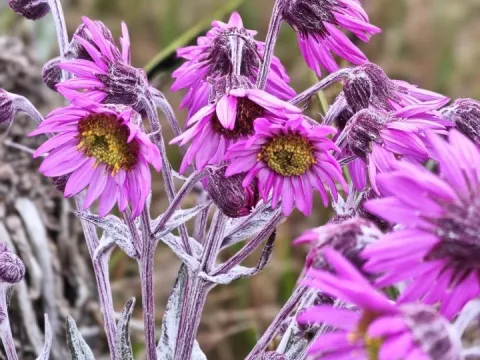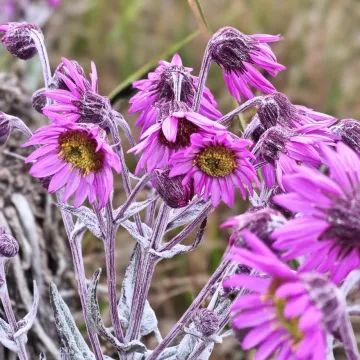
Senecio formosus
Senecio formosus
Description
Senecio formosus is a perennial herbaceous plant belonging to the large and diverse Asteraceae family. Known for its aesthetic appeal, this species is highly valued in botanical collections and specialized landscaping, particularly in regions that mirror its native high-altitude environmental conditions.
The origin of this species is traced back to the high-mountain regions of the Andes in South America, specifically within Colombia and Ecuador. Growing in the unique paramos ecosystems, the plant has evolved to thrive in soils that are often acidic and prone to frequent temperature shifts.
Botanically, Senecio formosus displays distinct upright stems and striking floral heads, which are characteristic of its genus. Its leaves are structurally adapted to conserve moisture, allowing the plant to remain resilient in its natural habitat despite intense solar radiation and variable precipitation patterns.
Cultivation requirements for this species emphasize the need for excellent soil drainage. Heavy, waterlogged soils are detrimental to the root system, often leading to rot. It is recommended to use porous, well-aerated growing media, while maintaining a consistent but moderate irrigation schedule during the primary growing season.
In terms of usage, the plant is primarily employed for ornamental purposes, adding unique texture and color to rock gardens and high-elevation landscaping projects. When managing Senecio formosus, growers must monitor for common Asteraceae pests like aphids or fungal issues such as powdery mildew, especially in environments where air circulation is restricted.
Photo gallery