Sticky groundsel
Senecio glutinosus
Description
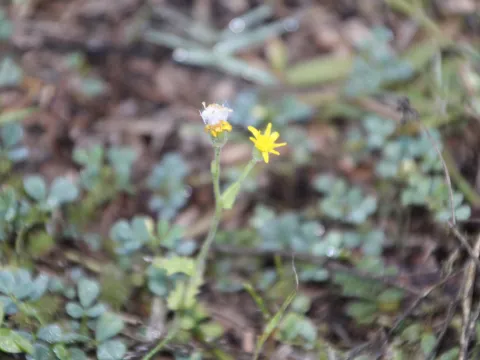
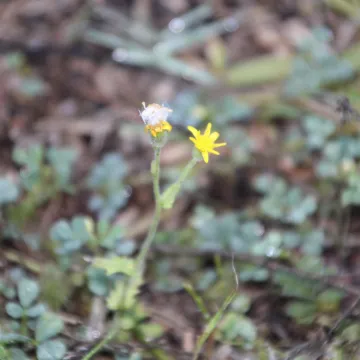
Sticky groundsel (Senecio glutinosus) is an annual herbaceous plant belonging to the large Asteraceae family. In the context of modern agriculture, this species is categorized as an invasive weed rather than a cultivated crop, known for its rapid colonization of arable land and its ability to compete with essential food crops for environmental resources.
The plant originates from Europe and has spread extensively across temperate climatic zones globally. It is commonly found in disturbed habitats, including fields, fallow lands, and construction sites. Its wide distribution is largely due to its high tolerance for various soil types and its adaptability to human-altered environments, making it a persistent nuisance in farming operations.
Botanically, Senecio glutinosus is distinguished by the presence of glandular hairs covering the entire plant, which secrete a sticky, resinous substance. It typically grows to a height of 20 to 60 centimeters. The plant produces vibrant yellow flower heads arranged in loose clusters. Each seed is equipped with a tuft of fine hairs, facilitating efficient dispersal by wind currents across agricultural landscapes.
Regarding agricultural requirements, sticky groundsel is highly opportunistic. It thrives in well-drained soils and is particularly successful in nitrogen-rich environments. The plant is drought-tolerant and grows rapidly during the vegetative season, often germinating in dense colonies that can quickly overshadow emerging crops. Its growth habit allows it to outcompete standard crops for sunlight and soil nutrients during the early stages of development.
Economically, the impact of sticky groundsel is strictly negative. It reduces crop yields through resource competition and acts as a potential contaminant in hay if harvested. Furthermore, it contains pyrrolizidine alkaloids, which are toxic to livestock, posing a health risk to grazing animals. Integrated pest management strategies for this weed include:
- Regular mechanical cultivation to disrupt the root systems.
- Application of selective herbicides during the rosette growth stage.
- Mowing or weeding before the onset of flowering to prevent seed set.
- Strategic crop rotation to reduce the seed bank in the soil.
Photo gallery