Grisebach's ragwort
Senecio grisebachii
Description
Grisebach's ragwort (Senecio grisebachii) is a herbaceous perennial plant belonging to the diverse Asteraceae family. As an agricultural object, this species is noted for its specific physiological traits, which have made it a subject of interest for both botanical research and potential industrial applications in various sectors.
The plant originates from South America, with its native range focused primarily in the mountainous regions of Argentina. It is highly adapted to these specific environmental conditions, thriving in temperate climates that provide a balance between seasonal moisture and substantial solar exposure during the peak growing season.
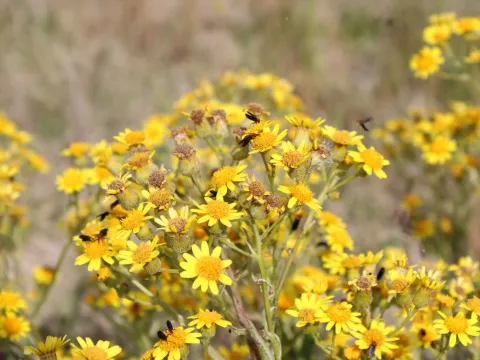
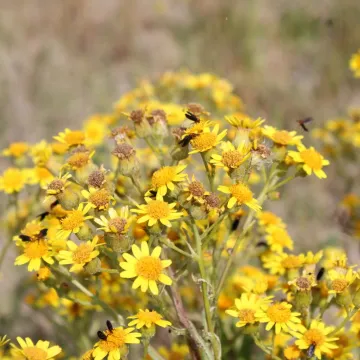
Botanically, Senecio grisebachii is characterized by its upright growth habit and distinct foliage, which often features fine hairs to mitigate moisture loss. The inflorescences are composed of typical aster-like flower heads, which serve as the primary reproductive organs, ensuring seed set under favorable environmental circumstances.
Cultivation requirements involve high standards for soil structure, specifically regarding drainage. The plant is sensitive to waterlogged soils, which can lead to root degradation. Optimal growth is achieved in well-aerated, slightly acidic to neutral soils where adequate nutrient cycling is maintained throughout the development cycle of the plant.
In terms of economic use, the crop is primarily managed for research purposes related to phytochemical studies. Management of the species requires strict adherence to pest control schedules, as it can be susceptible to common aster-family pathogens and insect pests that thrive in humid or poorly ventilated agricultural environments.
- Requires consistent, well-drained soil conditions.
- Susceptible to root rot if over-irrigated.
- Benefit from periodic weeding to reduce competition for soil nutrients.
Photo gallery