Senecio inornatus
Senecio inornatus
Description
Senecio inornatus is a perennial herbaceous plant belonging to the Asteraceae family. While the genus Senecio is broad, this particular species is recognized for its unique, understated appearance and its ecological role within its native habitat. It serves as an interesting subject for botanical study and land management.
The species originates from Southern Africa and is well-adapted to the climatic conditions of its native range. It thrives in open grasslands and edges of forest areas, demonstrating significant resilience to seasonal variations. Understanding its distribution is crucial for managing its presence in both natural and agricultural environments.
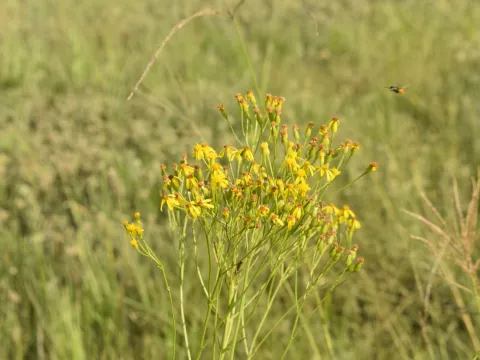
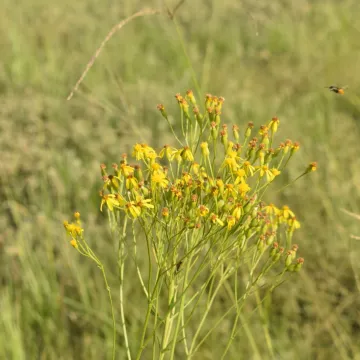
Botanically, Senecio inornatus is characterized by upright stems and alternating leaves. Its most distinctive feature is its inflorescence—a flower head that typically lacks prominent ray florets, which distinguishes it from more showy members of the genus. Its root system is robust, allowing the plant to compete effectively for soil moisture and nutrients.
From an agrotechnical perspective, the plant requires well-drained soils to prevent root issues. It is sensitive to waterlogged conditions, which can facilitate the spread of fungal pathogens. Cultivation management involves proper spacing to ensure adequate airflow, which is essential for maintaining plant health and vigor in controlled or semi-controlled settings.
The economic use of this plant is limited, often categorized under ecological research or limited landscape application. As with many plants in this genus, it is important to monitor it due to potential toxicity to livestock. Common threats to its health include aphids and spider mites, as well as powdery mildew, which can become prevalent if environmental conditions are not managed correctly.
Photo gallery