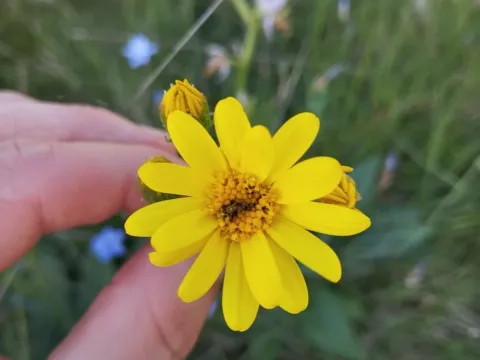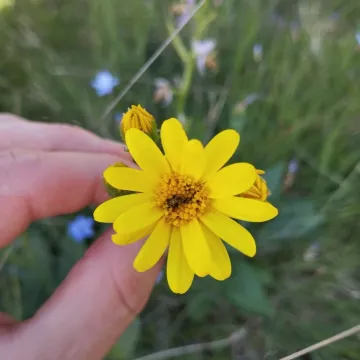
Senecio lagascanus
Senecio lagascanus
Description
Senecio lagascanus is a perennial species belonging to the Asteraceae family. Known for its resilience, this plant is increasingly recognized in horticultural circles for its aesthetic appeal and structural adaptability in diverse planting environments.
The origin of this species is primarily linked to the Mediterranean and Southern European regions. It thrives in climates characterized by mild winters and warm, dry summers. Its natural habitat suggests a strong preference for rocky or well-drained slopes, which informs its specific requirements in agricultural and landscape cultivation settings.
Botanically, the plant features distinct foliage that is often pubescent, helping it retain moisture during dry periods. The inflorescences are classic Asteraceae daisy-like heads, typically manifesting in vibrant yellow shades. The plant's growth habit is generally compact, making it suitable for both border planting and pot cultivation.
Regarding agrotechnical requirements, it is essential to provide a substrate with excellent permeability. The species is highly intolerant of waterlogging, which often leads to root rot. Soils should be nutrient-balanced, avoiding excessive nitrogen fertilization that might compromise the plant's structural integrity or flowering capacity.
Common agricultural challenges include managing pests such as aphids or spider mites, particularly in protected or semi-protected cultivation. Effective management involves:
- Implementing strict sanitation protocols
- Monitoring for early signs of infestation
- Maintaining optimal ventilation
Photo gallery