Senecio laxifolius
Senecio laxifolius
Description
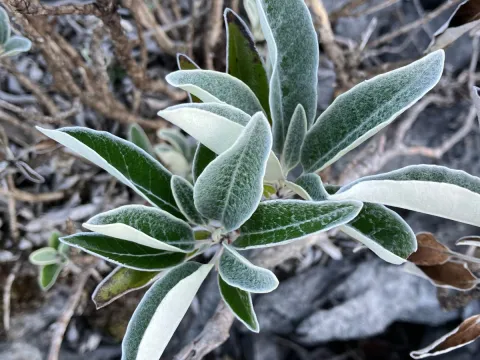
Senecio laxifolius is an evergreen subshrub belonging to the Asteraceae family. Known for its striking silver-grey foliage, it is widely cultivated in nurseries and professional landscape design as an ornamental plant that provides visual interest throughout the growing season due to its unique texture and color.
Native to New Zealand, this species has successfully adapted to various temperate climates across the globe. It is highly valued for its resilience in coastal areas and gardens that experience mild winters, as it maintains its structural integrity even during cooler months.
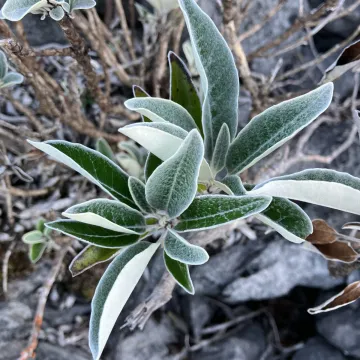
The botanical characteristics of this plant include a compact, mounding growth habit reaching heights of up to 70 cm. The leaves are elliptical and covered with a dense, white-silvery tomentum, which acts as a protective layer against harsh sunlight. In mid-summer, the plant produces vibrant yellow daisy-like flower heads that create a sharp contrast with the silver foliage.
Cultivation requires full sun exposure and well-draining soil, preferably with a slightly sandy or rocky texture. The plant is drought-tolerant once established, but it is critical to avoid waterlogging the roots, as excessive moisture often leads to fungal root diseases. It is generally hardy, though it may require protection in regions with extremely harsh, freezing winters.
Regarding its agricultural and landscape use, Senecio laxifolius is used in rock gardens, herbaceous borders, and as a low hedge plant. While it is relatively low-maintenance, growers should monitor for specific pests such as:
- Aphids
- Spider mites
- Mealybugs
Photo gallery