Senecio leptolobus
Senecio leptolobus
Description
Senecio leptolobus is a distinct perennial species belonging to the large and diverse Asteraceae family. Known for its specific adaptation to arid environments, this plant has gained recognition as a specialized crop in the ornamental horticulture sector, valued for its sculptural morphology and relative resilience in challenging growing conditions.
The species originates from the dry, rocky regions of Southern Africa. In modern cultivation, its range is distributed across temperate and subtropical zones where controlled environments or dry climates allow for optimal growth. It is primarily raised in greenhouses or in specialized landscape settings where exposure to high light intensity is consistently maintained.
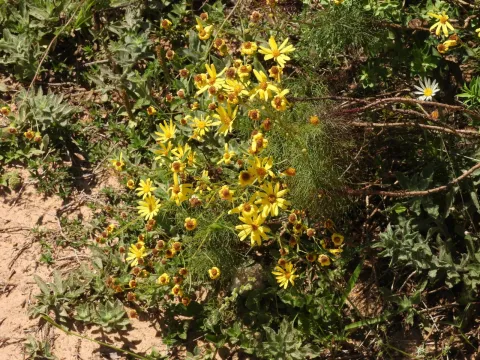
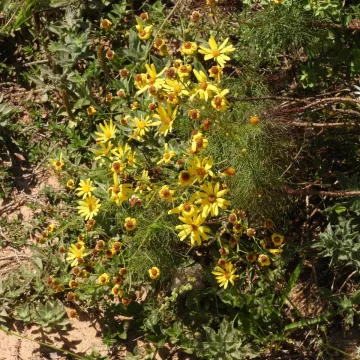
Botanically, the plant is characterized by deeply lobed, narrow foliage that often exhibits a glaucous or silvery appearance, an evolutionary trait to minimize water loss. The stems are semi-woody at the base and support bright yellow composite flowers typical of the genus. Its growth habit is relatively compact, making it an excellent candidate for managed agricultural plots in arid regions.
Agronomic requirements focus heavily on soil structure and drainage. A substrate composed of sandy, gritty material with minimal organic content is preferred to mimic the plant's natural habitat. Irrigation must be strictly regulated to avoid waterlogging, which is the primary cause of root degradation. During the dormant season, the plant requires significantly drier conditions to maintain its physiological balance.
The economic value of this crop is mainly found in the nursery and ornamental sectors, where it is marketed for drought-tolerant gardening. Management of the crop involves rigorous monitoring for pests such as spider mites and mealybugs, which are the most common biological threats. Proper spacing and airflow are essential cultural practices to minimize the risk of fungal pathogens in intensive cultivation systems.
Photo gallery