Senecio lopezii
Senecio lopezii
Description
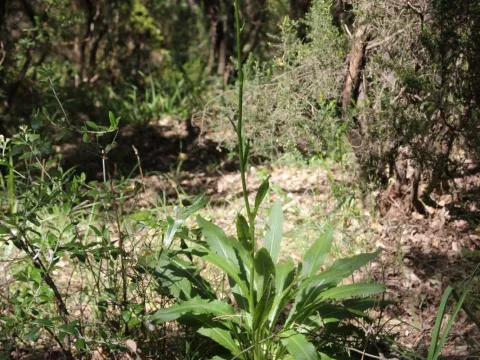
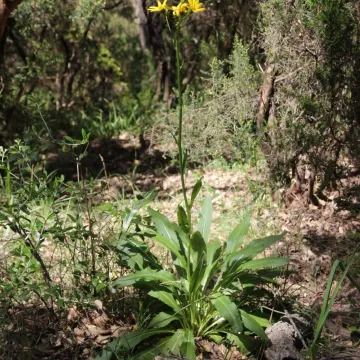
Senecio lopezii is a perennial herbaceous plant belonging to the Asteraceae family. This species is primarily native to the mountainous regions of the Iberian Peninsula, where it has evolved to thrive in high-altitude environments. It is a specialized plant that maintains specific ecological functions within its natural alpine habitat, reflecting the resilience typical of many Senecio species.
Botanically, the plant is characterized by its upright growth habit, featuring dissected foliage that often exhibits a slight pubescence, which serves as an adaptation to reduce transpiration. The root system is robust and deep, allowing the plant to anchor effectively in rocky substrates. During its flowering phase, it produces bright yellow flower heads that are typical for the genus.
Climatic and soil requirements for this species are centered on well-drained conditions. It performs best in nutrient-poor but mineral-rich soils. Excessive humidity and poor drainage are significant limiting factors, as they disrupt the plant's physiological balance. A sunny location with good airflow is essential to ensure healthy growth and to mimic the conditions of its native rocky slopes.
Cultivation practices should emphasize minimal human intervention, focusing on soil structure rather than heavy fertilization. Watering should be deep but infrequent, allowing the substrate to dry out between sessions. Over-fertilization can result in weak, succulent growth that makes the plant more susceptible to environmental stress and opportunistic pathogens.
Maintenance involves managing common horticultural risks to preserve the health of the specimens:
- Root rot caused by stagnant water in the root zone.
- Aphid infestations during the spring growth flush.
- Powdery mildew associated with high humidity and poor air circulation.
Photo gallery