Senna fruticosa
Senna fruticosa
Description
Senna fruticosa is a perennial shrub belonging to the Fabaceae family, subfamily Caesalpinioideae. This plant, often recognized for its characteristic botanical traits, serves as an important biological resource in tropical regions. It grows as a woody shrub or a small tree, exhibiting vigorous growth patterns under favorable environmental conditions.
The plant originates from the tropical zones of Central and South America. Its cultivation is concentrated in regions characterized by tropical and subtropical climates, where it can thrive without the threat of frost. It requires a stable, warm environment to reach its maximum productivity, making it a staple in specific tropical agricultural zones globally.
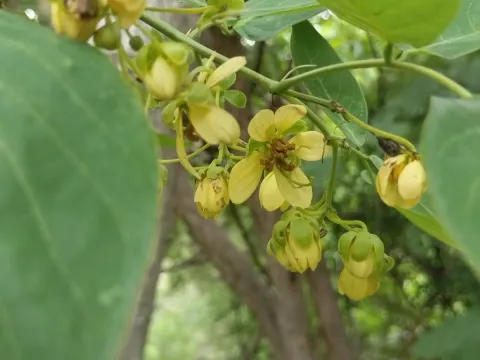
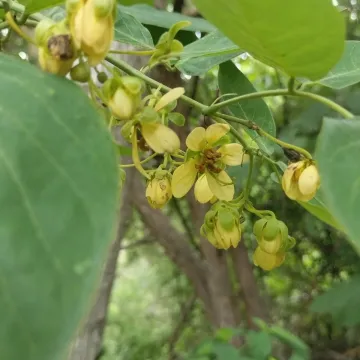
Botanically, Senna fruticosa features pinnately compound leaves and vibrant yellow flowers arranged in racemes. The fruit is a long, narrow legume containing multiple seeds. The root system is robust, providing stability and allowing the plant to access moisture from deeper soil layers, which is an adaptation to seasonal fluctuations in precipitation.
Agronomic requirements emphasize the need for well-draining, fertile soil with a near-neutral pH. The plant is highly photophilous and requires full sun exposure for optimal growth and flowering. Proper spacing and regular pruning are essential to manage the canopy and encourage the development of the biomass required for harvesting. Irrigation should be managed carefully to avoid waterlogging, especially in clay-heavy soils.
Commercial and practical applications for Senna fruticosa include:
- Production of botanical extracts for pharmaceutical and medicinal use.
- Application in landscape architecture due to its aesthetic floral displays.
- Soil health management, as it aids in nitrogen fixation when grown in appropriate crop rotation cycles.
The plant is susceptible to common pests such as aphids, spider mites, and leaf-chewing caterpillars. Diseases primarily involve fungal leaf spots and root pathogens caused by excessive humidity or poor soil drainage. Maintaining plant hygiene, regular monitoring, and the use of integrated pest management practices are recommended to ensure a healthy and high-yielding crop.
Photo gallery