
Maryland senna
Senna marilandica
Description
Maryland senna (Senna marilandica) is a herbaceous perennial plant belonging to the Fabaceae family. Unlike many of its tropical relatives, this species is noted for its hardiness, allowing it to thrive in temperate climates while maintaining the typical characteristics of the leguminous group.
The plant is native to the eastern and central regions of North America. Its natural habitat includes moist meadows, river banks, and forest edges, which dictates its preference for sites with reliable moisture levels. The geographic range of this plant has allowed for its distribution and cultivation in various temperate environments.
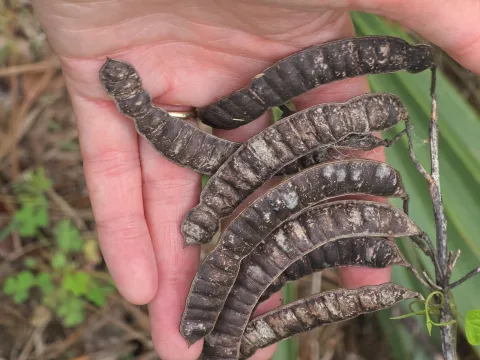
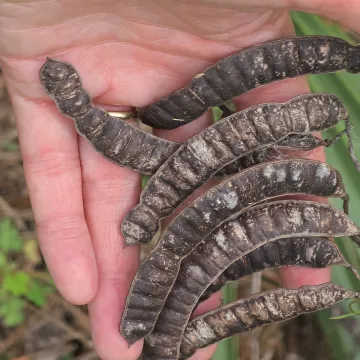
Botanically, Senna marilandica is characterized by erect stems reaching heights of 3 to 5 feet. Its foliage is composed of compound, pinnate leaves with numerous small leaflets. During the summer, the plant produces distinctive racemes of bright yellow, pea-like flowers, which develop into seed-bearing pods by late summer or autumn.
Agronomic requirements for Maryland senna focus on rich, well-draining loamy soils with a neutral or slightly acidic pH. The plant thrives in full sun but tolerates partial shade. Maintenance involves initial weed control during the seedling stage, after which the plant becomes quite robust and competes effectively with other vegetation.
The agricultural and practical significance of this plant lies in its medicinal properties, as it contains anthraquinone compounds, and its utility in permaculture for nitrogen fixation. Furthermore, it is increasingly valued in ornamental horticulture for its ability to provide vertical interest and late-season color in perennial borders.
- Excellent cold tolerance in temperate zones.
- High potential for medicinal raw material production.
- Ecological value as a source of nitrogen for soil enrichment.
- High tolerance to various soil types if moisture is sufficient.
Photo gallery