Senna pallida
Senna pallida
Description
Senna pallida is a perennial shrub belonging to the Fabaceae family, recognized for its resilience and adaptability in various tropical ecosystems. It serves as a valuable resource in agriculture, particularly in regions where soil nutrient levels are low and environmental conditions are challenging for conventional fodder crops.
Originating from the American tropics, the species has successfully colonized diverse habitats, ranging from dry, open savannahs to the fringes of tropical forests. Its ability to thrive in these settings has led to its integration into agroforestry systems as an important component for ecosystem restoration and natural soil enrichment.
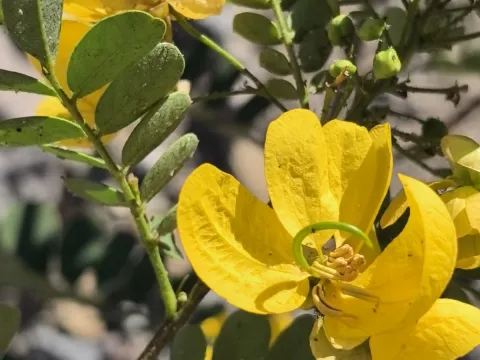
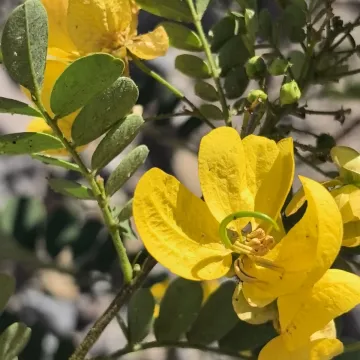
Botanically, Senna pallida presents as a medium-sized shrub with elegant, compound leaves and vibrant yellow inflorescences. The structural properties of the plant, including its persistent stem and root system, allow it to remain productive during extended dry seasons, making it a reliable source of biomass where other crops fail.
Regarding cultivation, the plant is relatively undemanding but thrives best in well-drained, sandy-loam soils with sufficient exposure to direct sunlight. While it is highly drought-tolerant once established, supplemental irrigation during the seedling stage can significantly improve stand density and long-term biomass production per hectare.
- Requires minimal chemical inputs due to natural disease resistance.
- Can be integrated into mixed cropping systems.
- Serves as an excellent source of nitrogen-fixing green manure.
From a pest management perspective, growers should monitor for common leaf-eating insects and sap-sucking pests that typically impact leguminous shrubs. While the species is robust, standard preventive agronomic practices, such as site sanitation and periodic inspection for root health, are essential to maximize yield and plant longevity in commercial cultivation.
Photo gallery