Sericocarpus asteroides
Sericocarpus asteroides
Description
Sericocarpus asteroides, commonly known as the white-topped aster, is a perennial herbaceous plant belonging to the Asteraceae family. While not a commercial crop in the traditional agricultural sense, it is a highly valued native species in North American horticulture and restoration ecology, prized for its aesthetic appeal and ecological compatibility.
The plant is native to the eastern United States and parts of Canada, thriving in diverse habitats including dry woodlands, clearings, and rocky outcroppings. Its range demonstrates a high degree of adaptability to varying light conditions, from full sun to partial shade, which makes it a versatile candidate for various landscaping applications.
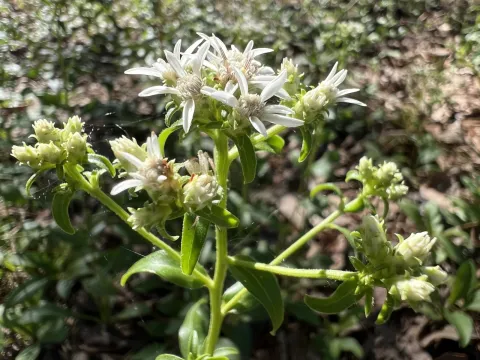
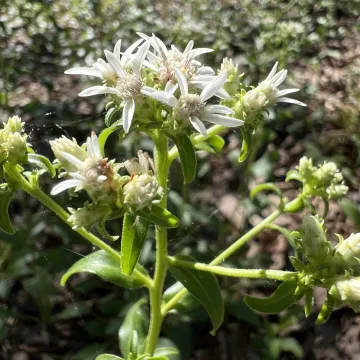
Botanically, it is characterized by sturdy stems that reach heights of up to 80 centimeters, adorned with lance-shaped leaves. The inflorescence consists of small white ray flowers surrounding yellow disc florets, creating a distinctive look that gives it the name "white-topped." The seeds are equipped with a pappus, allowing for efficient dispersal by wind across open landscapes.
Cultivation requires well-draining, slightly acidic soil. It is particularly well-suited for sandy or gravelly loam where other more demanding plants might struggle. Agronomically, the plant requires minimal input; it is drought-tolerant once established and does not require frequent fertilization. Careful site selection is the most critical factor to prevent issues related to excessive soil moisture.
- Landscape utility: excellent for meadow-style or pollinator-friendly gardens.
- Pollinator support: attracts various species of native bees and butterflies.
- Disease profile: generally resistant, though powdery mildew can occur in stagnant air.
- Pest management: infrequent issues with aphids; biological controls are preferred.
Future potential for this plant lies in its integration into sustainable landscaping and xeriscaping projects. As public interest in native flora grows, Sericocarpus asteroides continues to gain attention as a resilient, low-maintenance alternative to traditional bedding plants, contributing significantly to biodiversity in urban and suburban environments.
Photo gallery