Sesamoides purpurascens
Sesamoides purpurascens
Description
Sesamoides purpurascens is a perennial herbaceous plant belonging to the Resedaceae family. While not a primary agricultural commodity, this plant is of botanical interest due to its adaptation to harsh environments and its unique physiological profile, making it a subject for specialized agronomic study.
The native range of this species is primarily focused in the Mediterranean Basin, spanning parts of Europe and Northwest Africa. It typically thrives in rocky outcrops, dry slopes, and open, sun-drenched terrains, which defines its inherent resistance to drought and nutrient-poor substrate conditions.
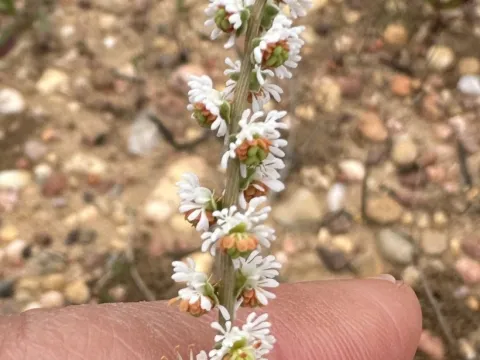
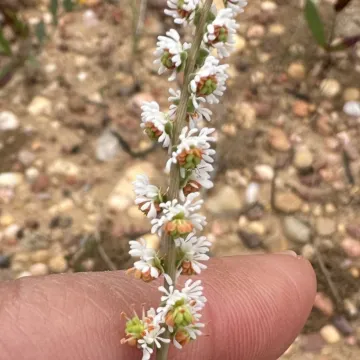
Botanically, the plant is characterized by erect stems and linear leaves. Its distinctive feature is its inflorescence, which presents in shades of purple or pink, providing significant aesthetic value. The root system is specifically adapted to penetrate and stabilize itself within thin, stony soil profiles, reflecting its k-strategist nature.
Cultivation requirements for Sesamoides purpurascens center on mimicking its natural xerophytic habitat. Optimal growth is achieved in well-drained, sandy or gravelly soils with high light exposure. Excessive moisture is the primary factor limiting the crop's performance, as stagnant water significantly increases the risk of root rot and foliage pathogens.
The potential economic utility of the plant lies primarily in specialized ornamental horticulture and botanical research. Typical threats to the plant include fungal pathogens triggered by high humidity and localized insect pests. Effective crop management requires minimal but precise irrigation and careful site selection to ensure long-term plant health.
Photo gallery