
Sesamum calycinum
Sesamum calycinum
Description
Sesamum calycinum is an annual herbaceous plant belonging to the family Pedaliaceae. Often discussed in the context of wild or semi-domesticated relatives of the common sesame (Sesamum indicum), this species is distinguished by its unique floral structure, specifically the shape and size of the calyx, which plays a role in its classification and identification.
The plant is native to the tropical regions of Africa. Its natural distribution is largely concentrated in savanna-type environments where the vegetation must endure prolonged dry seasons followed by seasonal rains. This evolutionary history has shaped the plant’s robust survival mechanisms, making it a valuable subject for agricultural research in arid-zone farming.
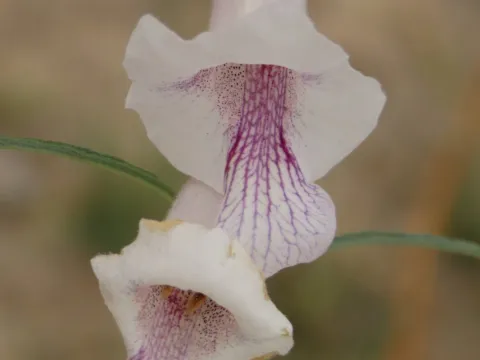
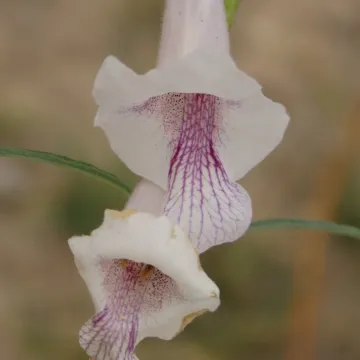
Botanically, Sesamum calycinum features a sturdy, upright stem with variable leaf morphology. The flowers are typically tubular and range in color, attracting local pollinators essential for seed set. The fruit is a dehiscent capsule containing numerous small, oil-rich seeds, which serve as the plant's primary storage organ for energy during the dormant season.
Agronomic requirements are heavily influenced by its tropical origin. The crop thrives in well-drained, sandy loam soils with adequate fertility. Water management is critical; while the plant is drought-tolerant, excess soil moisture often leads to root rot and other fungal diseases. Adequate sunlight is essential for the photosynthesis required to produce high-quality oil in the seeds.
In terms of economic utility, Sesamum calycinum is primarily harvested for its seeds, which are a concentrated source of fats and proteins. While it may not be as widely commercialized as other Sesamum species, it serves as an important subsistence crop in its native regions, contributing to local food security and providing a stable oil source even under marginal growing conditions.
- High heat tolerance.
- Preference for well-drained soil substrates.
- Sensitivity to pests such as aphids and leaf rollers.
- Requirement for full solar exposure.
Photo gallery