Black sesame
Sesamum radiatum
Description
Black sesame (Sesamum radiatum) is an annual herbaceous plant belonging to the Pedaliaceae family. While often compared to the common Sesamum indicum, this species is distinct in its botanical structure and geographical focus. It is widely recognized in sub-Saharan Africa for its dual-purpose utility as both a vegetable and an oilseed crop.
The origin of Sesamum radiatum is traced back to tropical Africa, where it thrives in diverse environments ranging from tropical forests to savanna regions. It is primarily cultivated in Western and Central Africa, where local communities integrate it into traditional farming systems, valuing its resilience in marginal soils and its ability to withstand varying precipitation patterns.
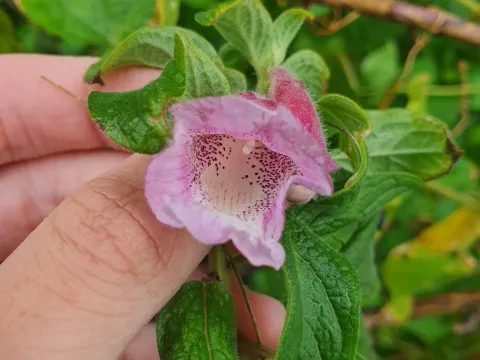
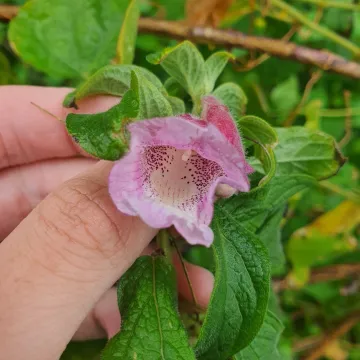
Botanically, the plant features erect stems and simple or trifoliate leaves. The flowers, which are typically bell-shaped, show color variations ranging from white to violet. The fruits are capsules containing numerous small, oily seeds. These seeds are a rich source of essential fatty acids and proteins, making them a nutritious component of the local diet.
Cultivation requirements involve warm temperatures and well-drained soil types. Sesamum radiatum is relatively drought-tolerant once established, but it responds positively to regular irrigation during the seedling stage. Agrotechnical management involves deep soil preparation, adequate weed control to reduce competition, and maintaining optimal plant spacing to ensure healthy air circulation around the canopy.
The agricultural usage of this crop is multifaceted:
- Consumption of young leaves as a nutritious leafy vegetable in soups and stews.
- Extraction of oil from the seeds for culinary and medicinal applications.
- Use of plant residues as organic mulch or compost.
Photo gallery