Sesbania cannabina
Sesbania cannabina (Retz) Poir.
Description
Sesbania cannabina is a fast-growing annual plant belonging to the Fabaceae family. It is widely recognized in agriculture for its ability to produce substantial biomass and fix nitrogen, making it an excellent candidate for sustainable soil management and land reclamation projects.
Originating from tropical Asia, particularly in regions like India and China, the plant has successfully spread across various tropical and subtropical zones. Its cultivation is especially prominent in areas where soil fertility is compromised or where excessive soil salinity limits the growth of other common agricultural crops.
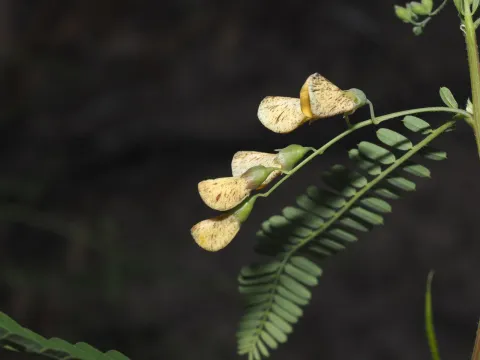
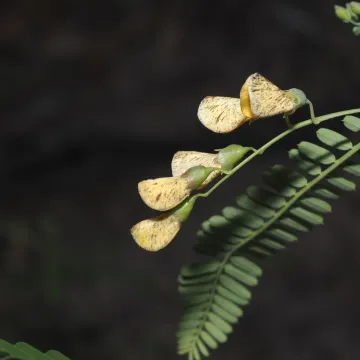
Botanically, this species is characterized by its tall, upright, and often branched stems that can reach heights of up to 3 meters. The leaves are compound and pinnate, while the flowers are typically yellow, appearing in clusters. The extensive root system is a key physiological feature, enabling the plant to thrive in waterlogged conditions.
The plant is highly adaptable to a range of environmental conditions, provided there is sufficient heat. It performs exceptionally well in water-logged, saline, or alkaline soils where many other crops struggle. Cultivation requires minimal input, making it a cost-effective choice for farmers looking to improve soil quality before the main crop planting.
The primary agricultural and economic uses include:
- Green manure: Incorporating biomass into the soil to boost nitrogen levels and organic matter.
- Fiber extraction: Utilizing stems as a source of high-quality fiber for industrial purposes.
- Forage: Serving as supplementary animal feed after appropriate harvesting and treatment.
- Soil remediation: Assisting in the reclamation of saline and contaminated soils.
Common health issues for this crop include susceptibility to root-knot nematodes and various fungal infections, particularly during prolonged periods of excessive humidity or poor soil drainage. Pest management is essential, as various species of caterpillars and aphids can cause significant damage to the foliage during the early vegetative stages.
Photo gallery