Barbata bristlegrass
Setaria barbata
Description
Barbata bristlegrass (Setaria barbata) is an annual grass species belonging to the Poaceae family. In agricultural systems, particularly in tropical and subtropical zones, it is valued as a productive forage plant that contributes significantly to the biomass of natural and managed pastures.
The species is native to tropical regions of Africa and Asia, where it thrives in humid environments. Its distribution has expanded over time, and it is now found in various parts of the world with warm climates, often colonizing disturbed soils, field edges, and moist meadows, which demonstrates its robust invasive potential and adaptability.
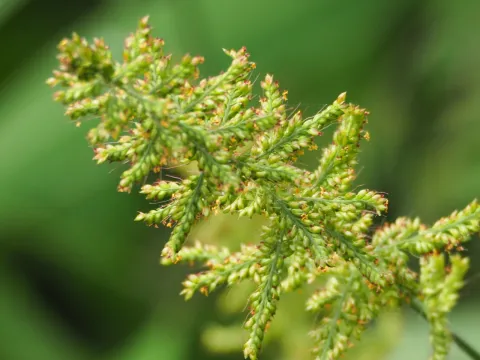
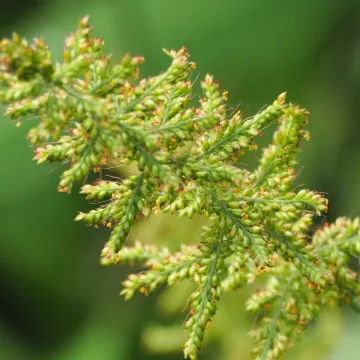
Botanically, this grass grows in tufts, typically reaching heights of 30 to 100 cm. Its leaves are flat, lance-shaped, and rough to the touch. The inflorescence is a dense, spiky panicle with numerous bristles surrounding the spikelets, providing the characteristic appearance for the Setaria genus. Its root system is fibrous and extensive, allowing for effective nutrient uptake.
Regarding cultivation requirements, Setaria barbata favors warm weather and consistent moisture. While it performs best on fertile, well-draining soils, it is highly resilient and can tolerate lower-fertility substrates. Successful agrotechnical management involves optimizing planting densities and timing harvests before the seed heads become too coarse to ensure maximum nutritional quality for livestock.
The primary economic use of this grass is for grazing or hay production. Despite its utility, producers must monitor the crop for common issues such as leaf rust and various fungal infections that can diminish yield. Furthermore, managing common pests like stem borers or aphids is crucial for maintaining a healthy and productive stand throughout the growing season.
Photo gallery