Knotroot foxtail
Setaria parviflora
Description
Knotroot foxtail (lat. Setaria parviflora) is a perennial grass species belonging to the Poaceae family. Recognized for its resilience, it serves as a valuable forage plant in various agricultural systems, particularly in warm temperate and subtropical zones where it contributes to pasture stability.
Originating from the Americas, the species has successfully colonized diverse environments globally. Its ability to thrive in various soil types, from sandy coastal plains to heavier inland soils, makes it a strategic choice for land managers looking to improve soil cover and forage availability for livestock.
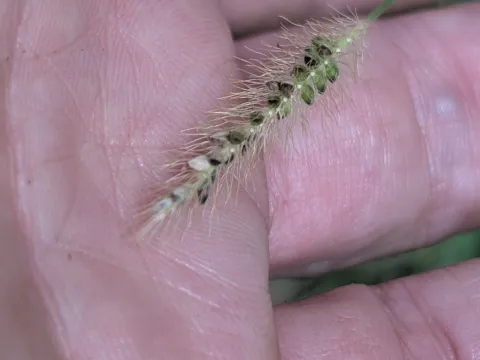
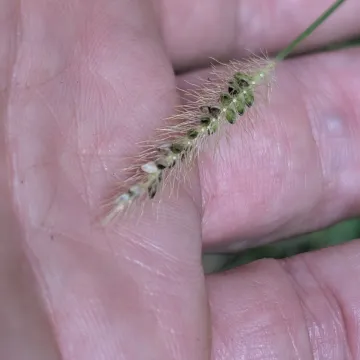
From a botanical perspective, the plant is distinguished by its knotty rhizomes, which allow it to spread and persist even under grazing pressure. The inflorescence is a dense, spike-like panicle, typically appearing in the summer months. These morphological traits contribute to its categorization as a hardy, low-maintenance grass species.
Agronomically, Knotroot foxtail prefers well-drained soils and high sunlight exposure. It is highly responsive to nitrogen applications, which boost its biomass production significantly. While it exhibits tolerance to occasional dry spells, irrigation during the peak growing season is recommended to ensure optimal nutritional quality of the forage.
The primary agricultural use is forage for grazing animals. It is generally palatable when managed properly and kept in a vegetative state. Farmers should be aware of potential issues such as leaf spot diseases or aphid infestations, which can be mitigated through rotational grazing and balanced soil fertility programs.
- Requires periodic monitoring for pests.
- Best established in warm, frost-free periods.
- Effective for erosion control on slopes.
Photo gallery