Thick-spike bristlegrass
Setaria pycnocoma
Description
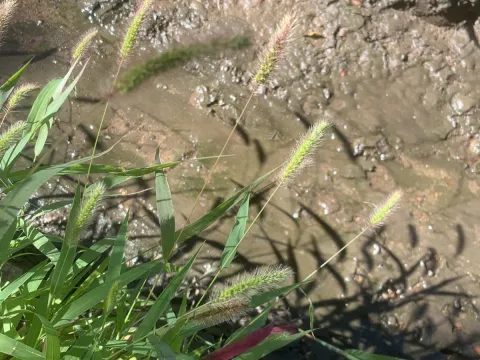
Thick-spike bristlegrass (Latin: Setaria pycnocoma) is an annual herbaceous plant belonging to the grass family Poaceae. In agronomy, this species is frequently encountered as a wild grass, although its botanical properties are often studied in the context of its impact on cropping systems and its potential use as a secondary forage resource in specific arid environments.
The plant originates from the temperate and subtropical regions of Eurasia. Its natural distribution range covers large areas where it thrives on open, sunny terrains, including abandoned agricultural fields, roadsides, and disturbed soils. Due to its adaptability, it is highly successful in colonizing habitats that provide sufficient light and minimal competition from taller canopy species.
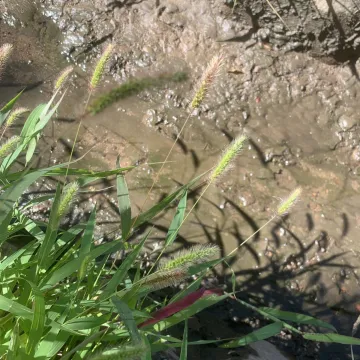
Botanically, this grass is recognized by its robust root system and upright stems that terminate in dense, cylindrical, bristle-covered spikes. These bristles act as a defense mechanism, reducing grazing intensity from some herbivores. The foliage consists of narrow, rough leaves that contribute to the plant's overall high water-use efficiency, allowing it to remain green even under heat stress.
Regarding cultivation requirements, Setaria pycnocoma is a warm-season grass that favors high temperatures and well-drained soils. It exhibits significant drought tolerance, which makes it resilient in regions prone to seasonal moisture deficits. While it does not require intense fertilization, it responds well to soil nutrients if they are present, provided it is not shaded by neighboring crops or vegetation.
From an agricultural standpoint, the primary focus is on managing this species when it encroaches upon cash crops. Effective control involves integrated pest management strategies, including crop rotation, the use of pre-emergent herbicides, and mechanical tillage to prevent the massive seed bank accumulation typical of this species. In less intensive farming systems, it may serve as supplemental fodder during early growth stages.
- Excellent adaptation to arid climates
- Significant heat tolerance during summer
- Rapid reproductive cycle through seed production
- High competitive ability in disturbed environments
Photo gallery