Seymeria cassioides
Seymeria cassioides
Description
Seymeria cassioides is an intriguing herbaceous plant species belonging to the Orobanchaceae family. Classified as a facultative hemiparasite, the plant is capable of performing photosynthesis independently while simultaneously establishing haustorial connections with the roots of host plants to supplement its water and nutrient uptake.
The species is native to the southeastern regions of the United States. Its natural habitat is typically characterized by open pine forests and sandy soil environments. This specific distribution reflects the plant's evolutionary adaptation to nutrient-poor soils where host-dependent feeding strategies provide a competitive advantage.
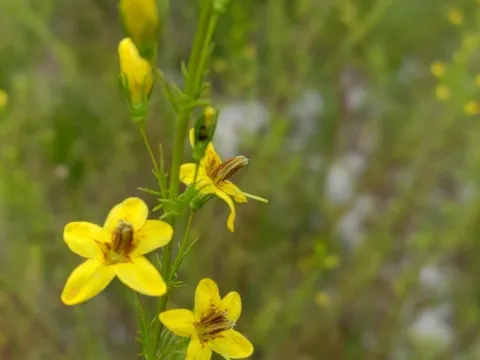
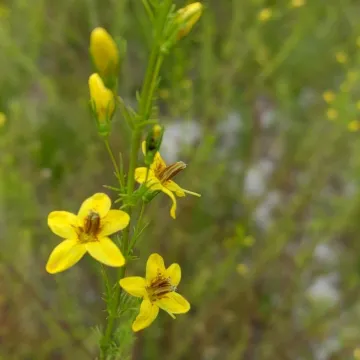
Botanically, Seymeria cassioides is noted for its delicate, upright stature, featuring finely dissected, lace-like foliage. During the summer blooming period, the plant produces distinctive yellow, tubular-shaped flowers. This aesthetic and functional structure attracts specific insect pollinators, ensuring the successful fertilization and dispersal of its seeds.
In terms of agricultural and environmental management, the species requires specific site conditions to thrive.
- Well-drained sandy substrates are essential for root health.
- The presence of suitable host plant species is vital for sustained development.
- Optimal exposure to natural light prevents etiolation and promotes flowering.
While not a traditional commodity crop, the plant remains a subject of ecological study. It faces susceptibility to various soil-borne pathogens and common pests that target the Orobanchaceae family. Effective maintenance of the local ecosystem balance is the primary method of protecting populations of this unique botanical subject.
Photo gallery