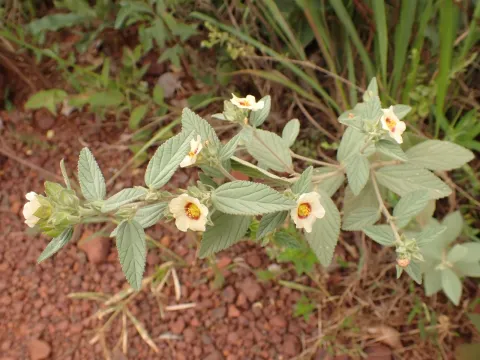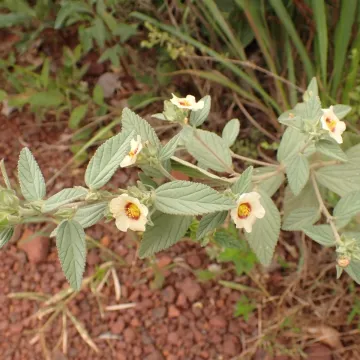
Sida glaziovii
Sida glaziovii
Description
Sida glaziovii is a perennial herb or subshrub belonging to the Malvaceae family. In agricultural circles, it is recognized as a potential fiber-producing crop, known for the durability and industrial utility of its stem fibers. It represents a significant interest for sustainable agriculture as an alternative source of raw material for the textile and manufacturing sectors.
The origin of this species is linked to the tropical regions of South America, particularly Brazil. Historically adapted to warm and humid environments, Sida glaziovii has shown a remarkable ability to adapt to diverse ecological conditions. Recent agricultural trials aim to establish optimal cultivation zones in broader temperate regions to utilize its rapid biomass accumulation potential.
Botanically, the plant is characterized by erect, thin, and largely unbranched stems that are essential for high-quality fiber harvesting. Its leaves are usually alternate and toothed, while the flowers, typical of the mallow family, provide a distinct aesthetic. The root system is deep and taproot-like, granting the plant significant resilience against temporary water shortages and drought conditions.
Regarding cultivation requirements, the crop thrives in well-drained, fertile loam soils with a neutral pH level. Proper agricultural management involves strategic sowing timing to avoid late spring frosts and maintaining adequate plant spacing to minimize competition for nutrients. Fertilization, particularly with nitrogen, is crucial to promote the elongation of the stems, which directly impacts the yield of the harvested fibers.
- Textile industry applications
- Paper and pulp production
- Bio-packaging materials
- Potential biofuel feedstock
From a phytopathological perspective, Sida glaziovii is susceptible to various pests, including leaf-feeding beetles and root-knot nematodes in poorly drained soils. Fungal infections, such as stem rot, can occur if the humidity levels remain excessively high during the ripening phase. Integrated pest management and proper crop rotation strategies are essential to maintain crop health and ensure consistent fiber quality.
Photo gallery