Sida glomerata
Sida glomerata
Description
Sida glomerata is a perennial herbaceous plant belonging to the Malvaceae family. As a member of this diverse botanical group, it shares many characteristics with other well-known fiber-producing plants, though it remains a niche species often studied for its resilience and fiber quality.
The plant is native to Central and South America, with a broad distribution throughout the Caribbean region. It naturally thrives in tropical and subtropical climates, typically inhabiting open spaces, forest edges, and areas with disturbed soil, where it can capitalize on abundant sunlight and high humidity levels.
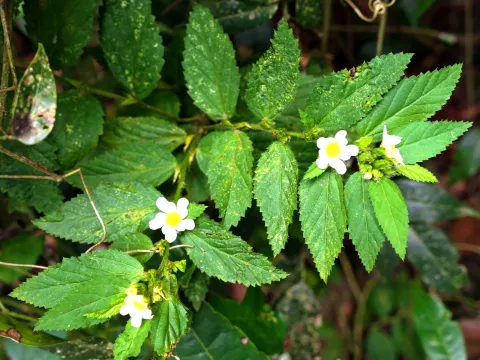
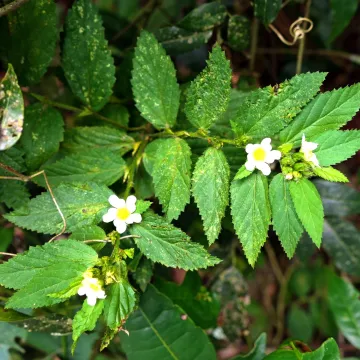
Botanically, it is distinguished by its upright stems and ovate-lanceolate leaves with serrated margins. The most notable feature is its inflorescence, where the small yellow or cream-colored flowers are clustered together in dense heads or "glomerules," which provide the specific epithet for the species.
Cultivation requirements necessitate high ambient temperatures and well-drained, nutrient-rich soils. In an agricultural context, Sida glomerata is sensitive to competition from weeds during the seedling stage. Regular irrigation is essential for optimal fiber development, especially in regions with distinct dry seasons, as the plant prefers consistently moist environments.
The economic value of this crop is primarily linked to its bast fiber, which is known for its durability and potential use in textile manufacturing and cordage. Additionally, the plant is subject to research regarding its phytochemical content for medicinal applications. Potential pests include aphids and mites, while fungal pathogens, such as leaf spot, may occur if air circulation is poor or soil drainage is inadequate.
Photo gallery